
LED Grow Lights


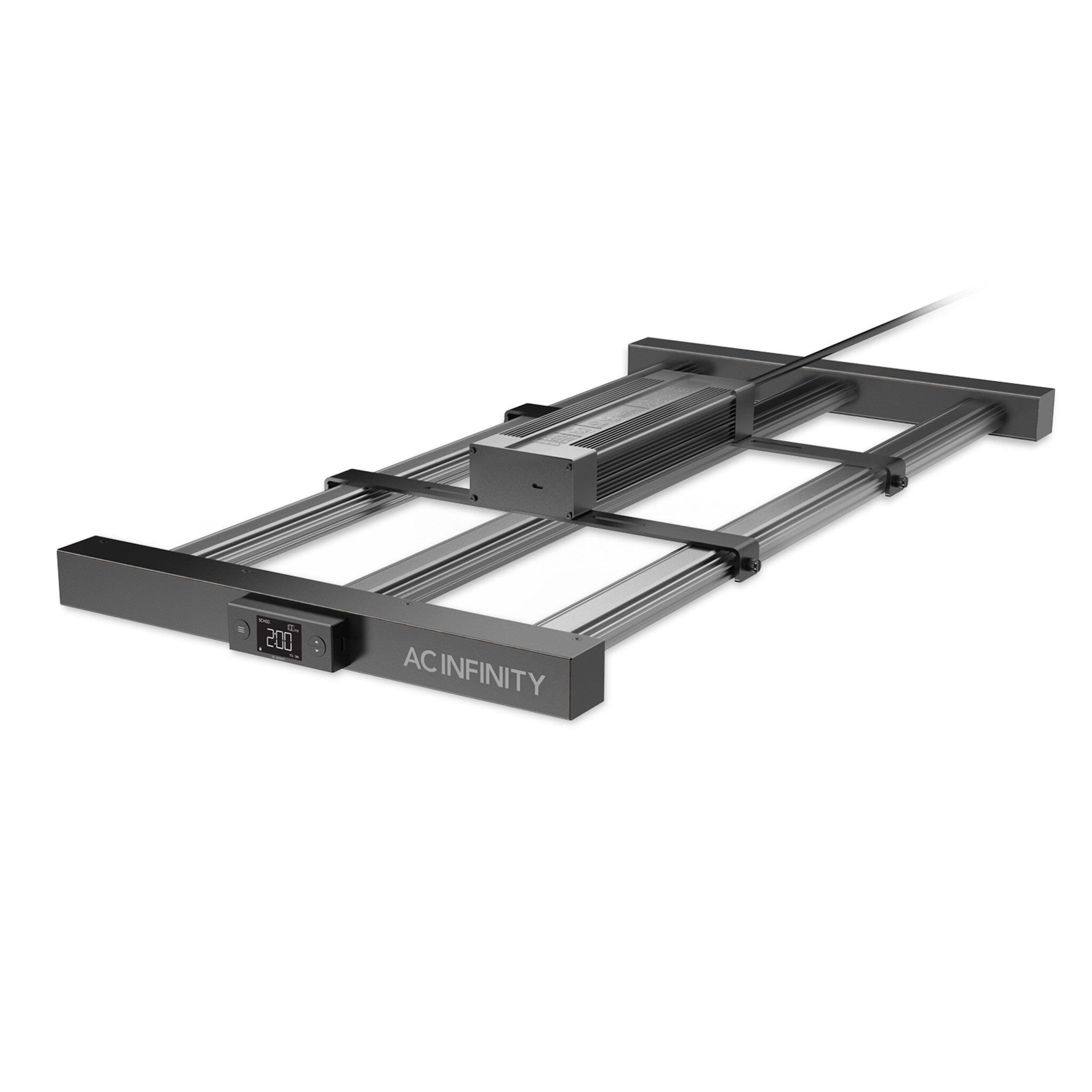
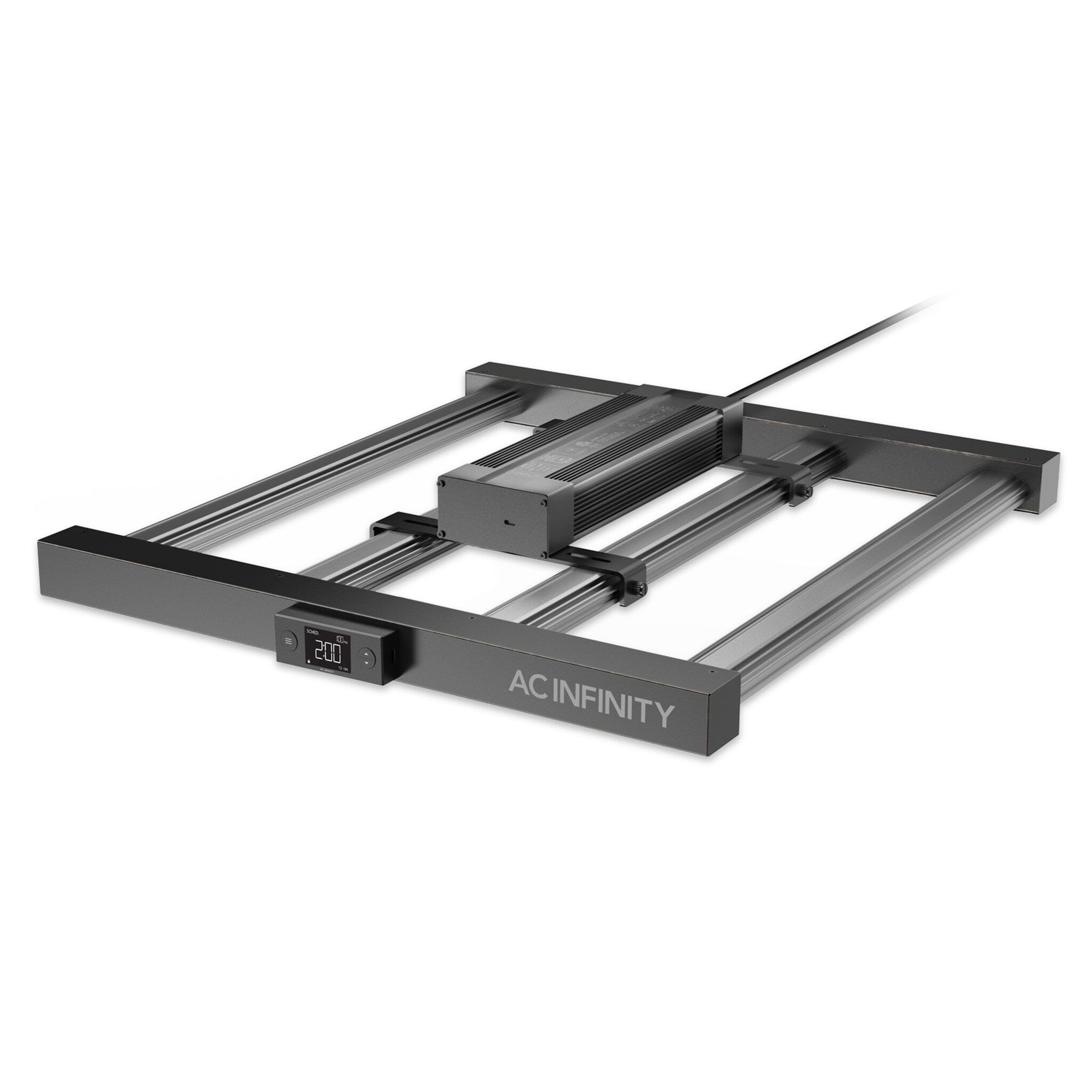

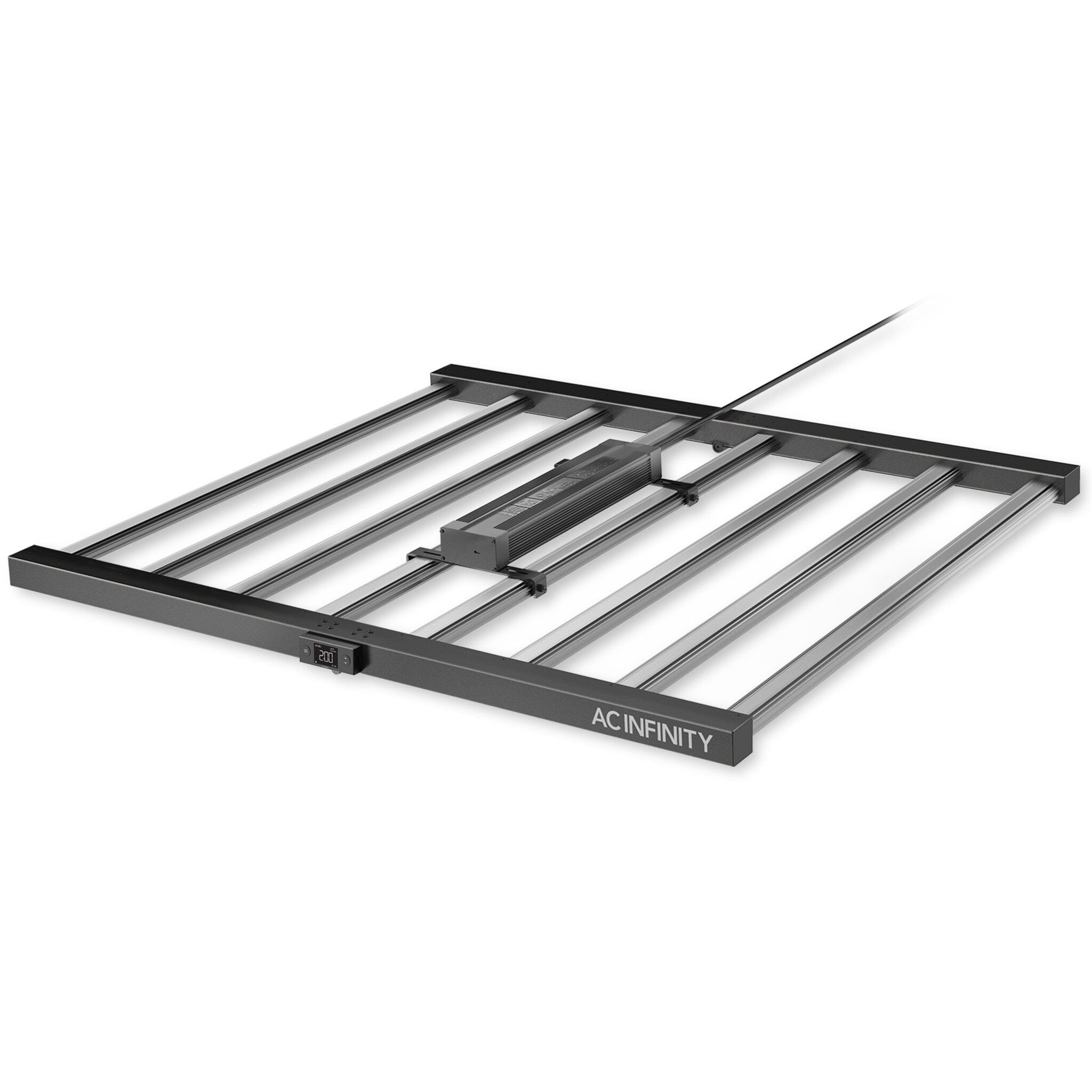
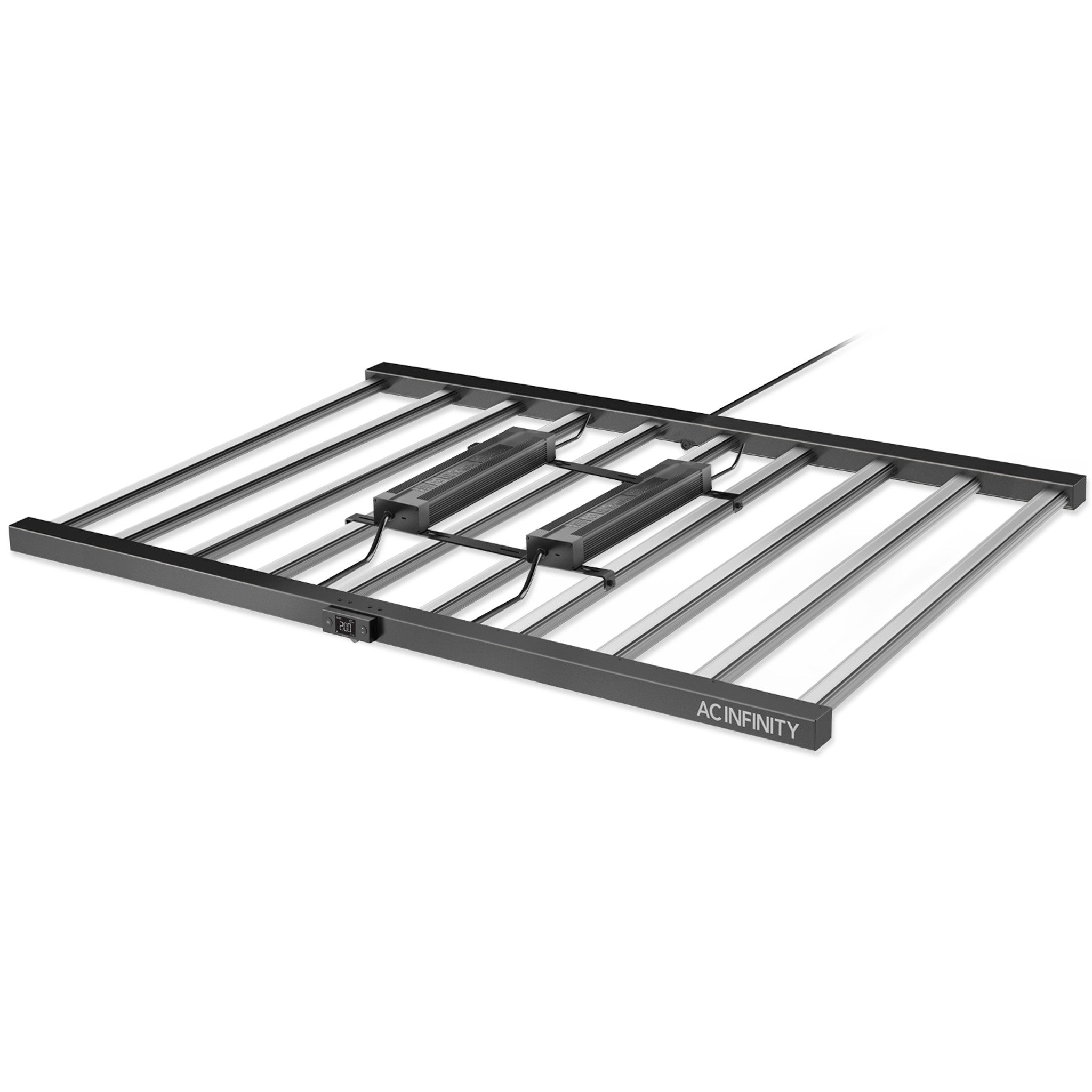
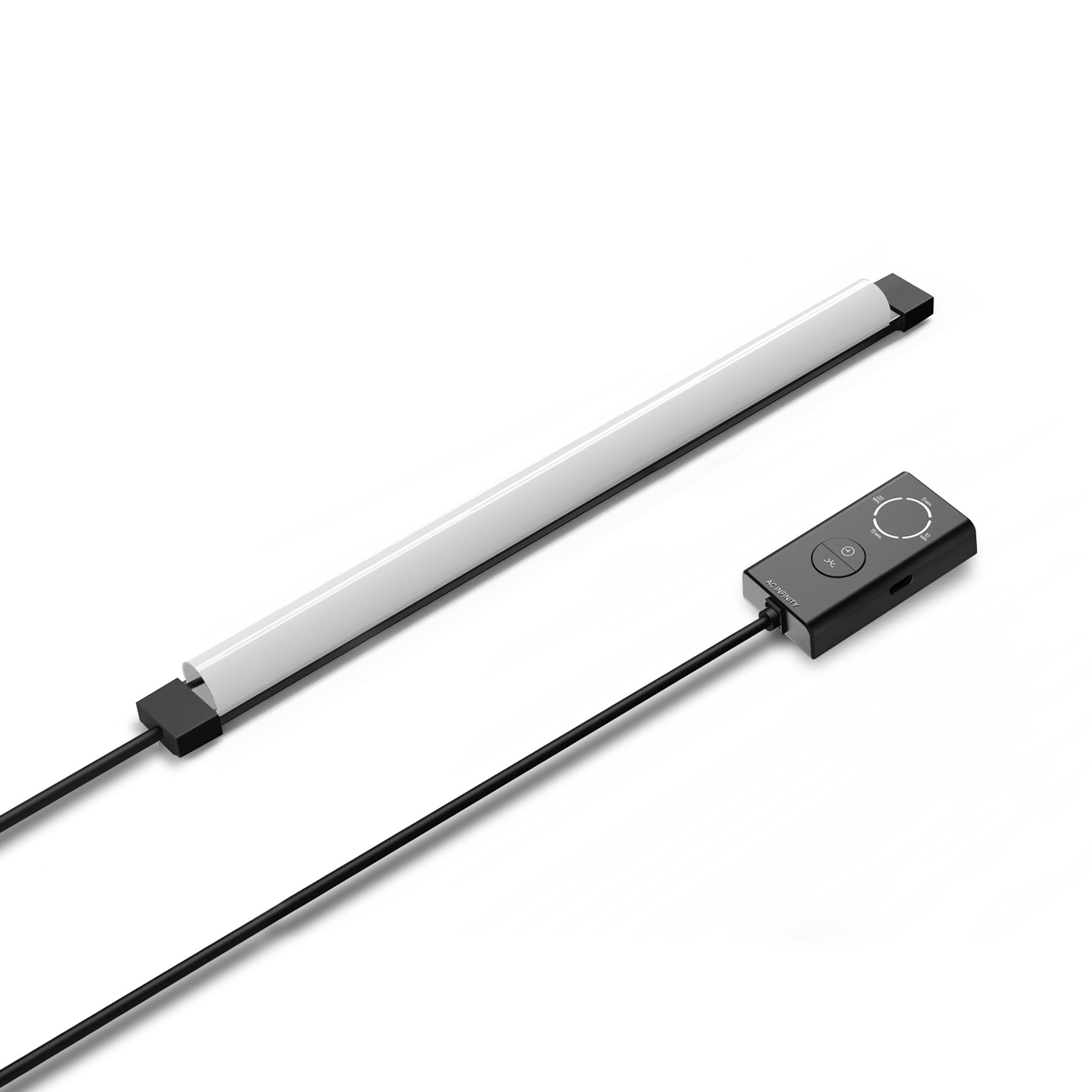
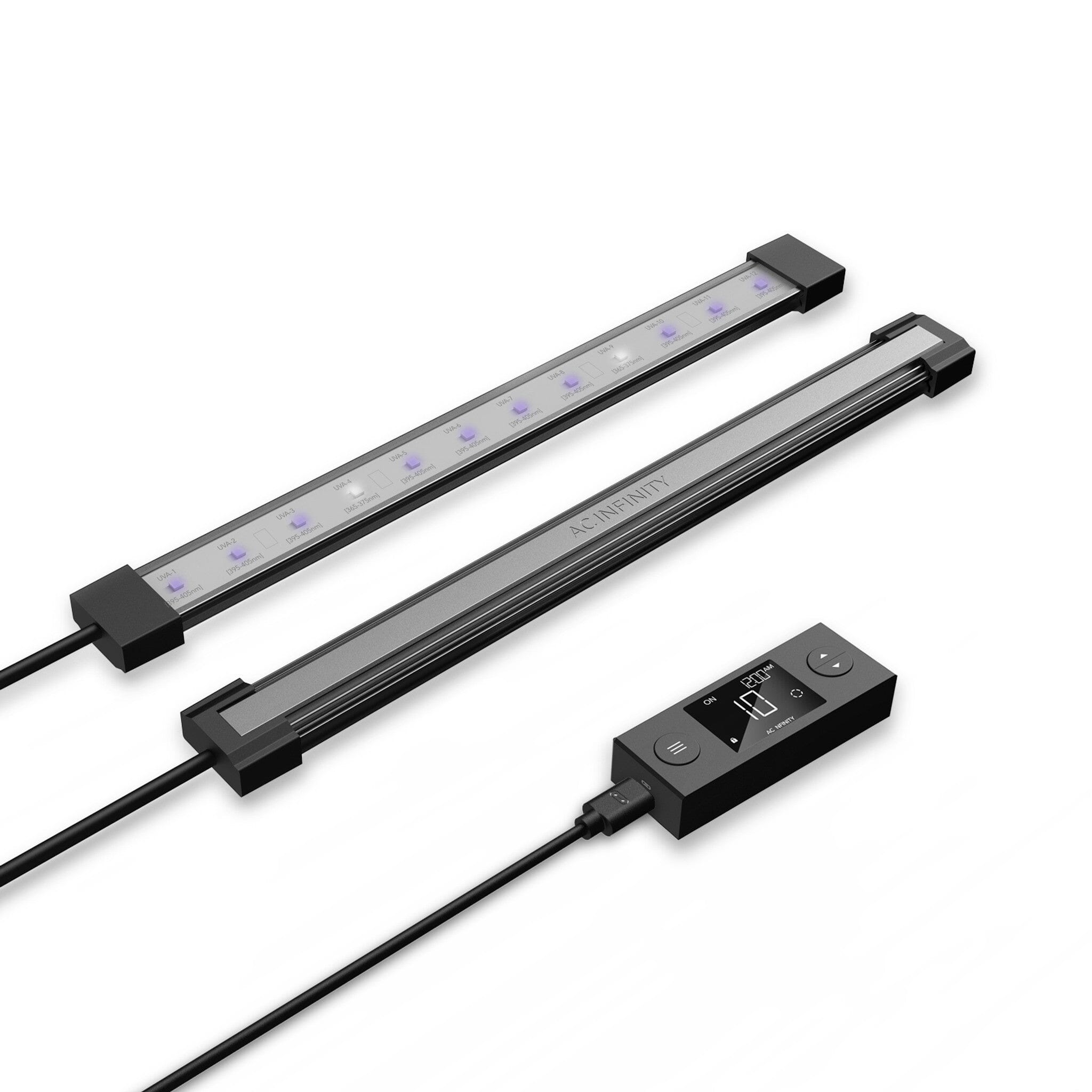
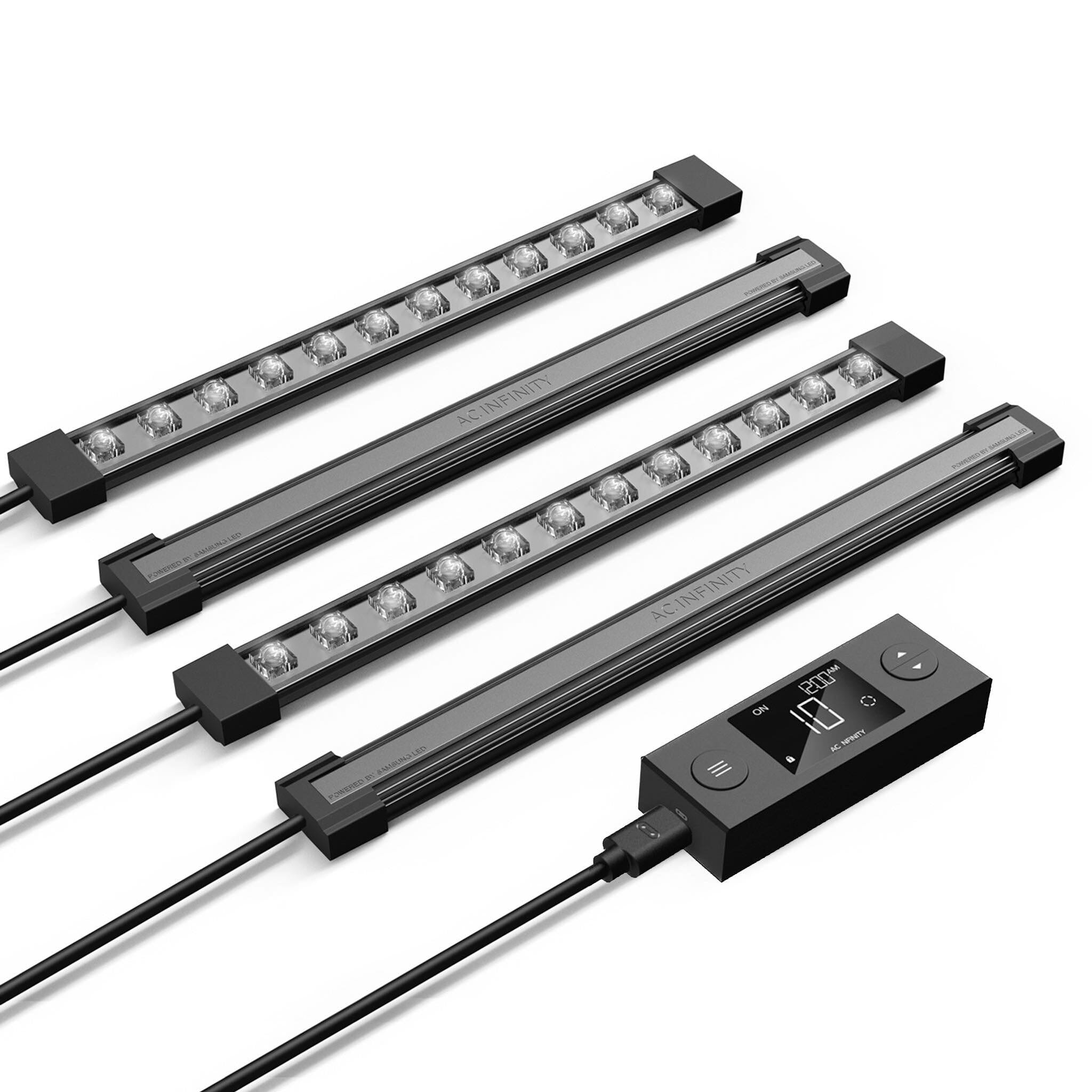
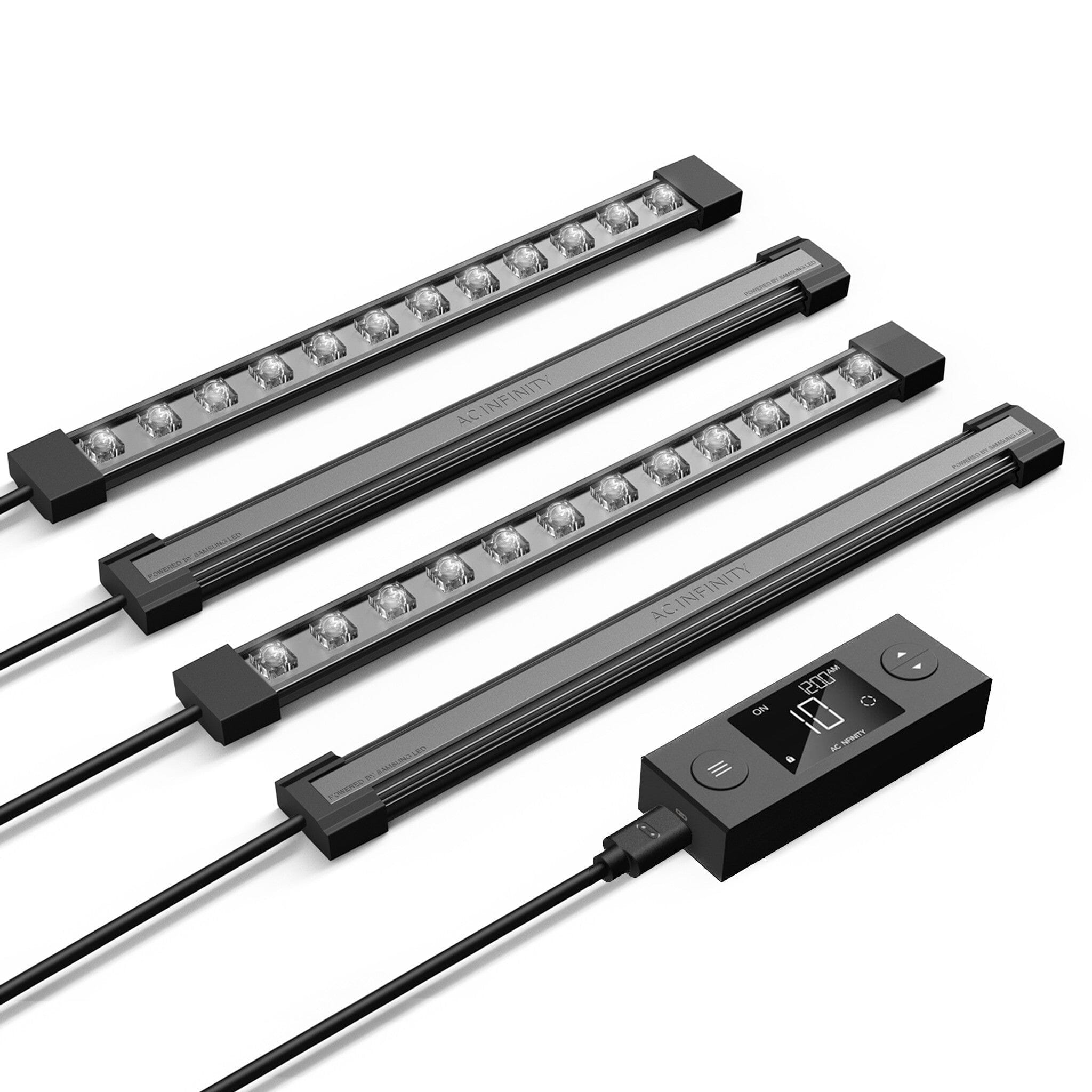

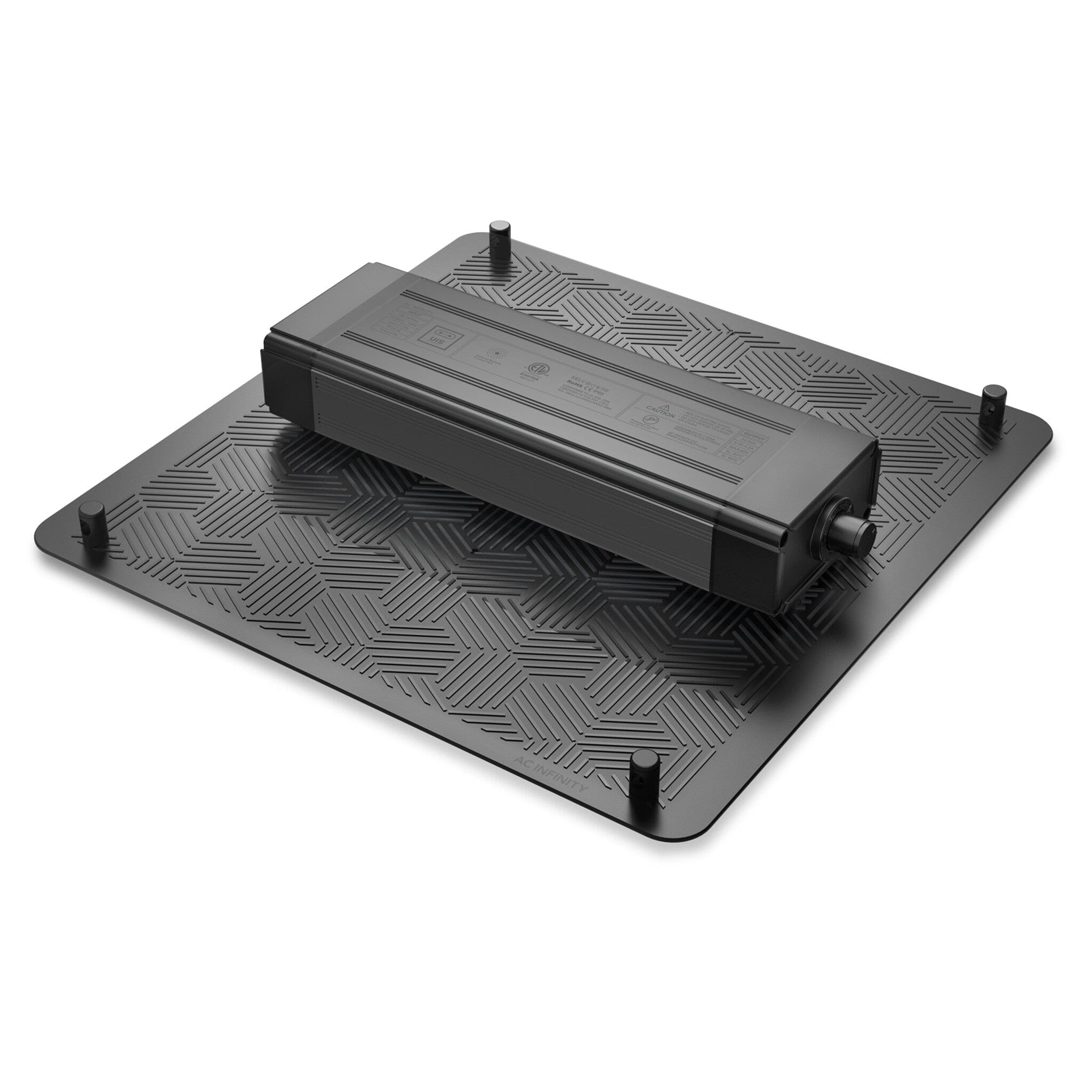


Every LED grow light we stock, in one place, across four ranges that sit at genuinely different price points — AC Infinity at the top, 4Seasons in the middle, Digi-Lumen at the value end, and HLG for the growers who already know what they want. The right light is the one that covers your space at the wattage your space can handle, so the tables below are built around footprint rather than around brand. Stocked in Sydney and shipped domestically.
4 ranges
AC Infinity, 4Seasons, Digi-Lumen, HLG
60–1000 W
clone bars up to full flower
Dimmable
every light runs on a controller
Sydney
stocked locally, AU warranty
Start with the footprint, not the wattage
The number that matters is how evenly the light covers your tent, and that is decided by the size and shape of the fixture as much as by its wattage. A 500 W bar light spread over a 120 × 120 cm frame gives you an even canopy; the same 500 W in a compact panel gives you a bright middle and dim corners. Match the fixture to the footprint first, then look at wattage.
| Grow space | Flower wattage | Where to look |
|---|---|---|
| 60 × 60 cm | 100–150 W | 4Seasons Quantum PAR 100 W, AC Infinity Ionboard S22 |
| 90 × 90 cm | 250–320 W | AC Infinity Ionframe EVO4, Digi-Lumen Extreme 400 W |
| 120 × 60 cm | 250–300 W | AC Infinity Ionframe EVO3 (built for 2×4) |
| 120 × 120 cm | 450–600 W | AC Infinity Ionframe EVO6, 4Seasons Helios 720 W Evo+, Digi-Lumen Extreme 720 W |
| 150 × 150 cm | 700–1000 W | AC Infinity Ionframe EVO8 / EVO10, Digi-Lumen Extreme 888 W or 1000 W, HLG Scorpion |
| Seedlings, clones and veg | 18–80 W | AC Infinity Ionbeam S11 / S16, Digi-Lumen Clone Bars |
| Under and side canopy | 100–250 W | 4Seasons 120 W Under Canopy, Digi-Lumen 200 W / 250 W side bars |
Wattage bands are a starting point for a typical tent, not a rule. Ceiling height, how hard you can run your extraction, and whether you are running CO₂ all move the number — ask us if you are between two sizes.
The four ranges, and who each one is for
| Range | Where it sits |
|---|---|
|
AC Infinity Ionframe EVO, Ionboard, Ionbeam |
The top of the range. LM301H EVO diodes, bar-style frames for even coverage, and full UIS integration so the light schedules and dims from the same controller as your fans. The EVO series is what most people end up on for a serious tent. |
|
4Seasons Helios 720 Evo+, Quantum PAR |
The middle ground — cheaper than AC Infinity, well above the value end, and it genuinely delivers. Every 4Seasons light connects to an AC Infinity controller through the Type-A adapter, so you are not giving up automation to save money. We represent and support 4Seasons in Australia. |
|
Digi-Lumen Extreme series, Clone Bars |
The value range, and the broadest one — 60 W propagation bars through to a 1000 W bi-fold, plus under-canopy and side-lighting bars that the other ranges do not cover as cheaply. Around 3.0 µmol/J across the Extreme line. |
|
HLG Scorpion, Tomahawk, Diablo |
Horticulture Lighting Group, from the US. A long-standing name with a following among growers who have used them before and want them again. Stock is limited to what is listed. |
Every light here dims, and that matters more than peak output. A light you can turn down is a light you can use from week one through to harvest, and running at 70% costs you less in power and less in heat than buying a smaller fixture and running it flat out. Match the light to your biggest space, then dial it back for the early weeks.
Running your lights from a controller
AC Infinity lights plug straight into the UIS controller range and take their schedule, sunrise and sunset ramps and dimming from there. Third-party lights join the same system through a UIS lighting adapter — Type-A for RJ11/12 fixtures with PWM or 0–10 V dimming, Type-D for lights with a dimmer control wire on the driver. That is how a 4Seasons or Digi-Lumen fixture ends up on the same schedule as your extraction fan.
If you are building from scratch, the grow tent kits pair a light, tent, fan and filter that are already sized to each other.
Shop by range
AC Infinity Grow Lights
4Seasons LED Grow Lights
Digi-Lumen LED Grow Lights
HLG Grow Lights
Seed, Veg & Clone Lights
LED Drivers & DIY Parts
Questions we get asked
How many watts do I need per square metre?
For flowering, roughly 300–400 W per square metre of canopy is the working range for a sealed tent. Veg and propagation need far less — often a third of that. Use the table above rather than the rule of thumb, because fixture shape changes the answer.
Are the cheaper lights actually worse?
Not in the way people expect. Efficiency across the ranges we stock is closer than the price gap suggests — the Digi-Lumen Extreme line runs around 3.0 µmol/J. What you pay more for higher up the range is spectrum refinement, build quality, warranty backing and controller integration. If budget is the constraint, a well-sized cheaper light beats an undersized expensive one.
Do LED grow lights need cooling?
These are passively cooled fixtures — heat comes off the aluminium body and the bars, with no fan in the light. That is now the standard for quality LED fixtures, and it is one less thing to fail. What they do still need is extraction: an LED puts most of its power into the room as heat, so size your ventilation to the light, not the other way around.
Can I run a non-AC-Infinity light from an AC Infinity controller?
Yes, through a UIS lighting adapter. Type-A covers RJ11/12 fixtures with PWM or 0–10 V dimming, which is most of them, and Type-D covers lights with a dimmer control wire on the driver. Every 4Seasons light we sell is set up for this.
One big light or several small ones?
One fixture sized to the space, in almost every case — fewer hangers, one controller channel, and an even canopy by design. Multiple smaller lights make sense when the space is an awkward shape, or when you are adding side and under-canopy bars to a main fixture rather than replacing it.
What warranty do these carry?
AC Infinity lights carry 2 years, genuine and backed here rather than through an overseas seller. Warranty on the other ranges varies by brand — it is stated on each product page.