
AC Infinity Dampers, Reducers, Splitters & Grilles


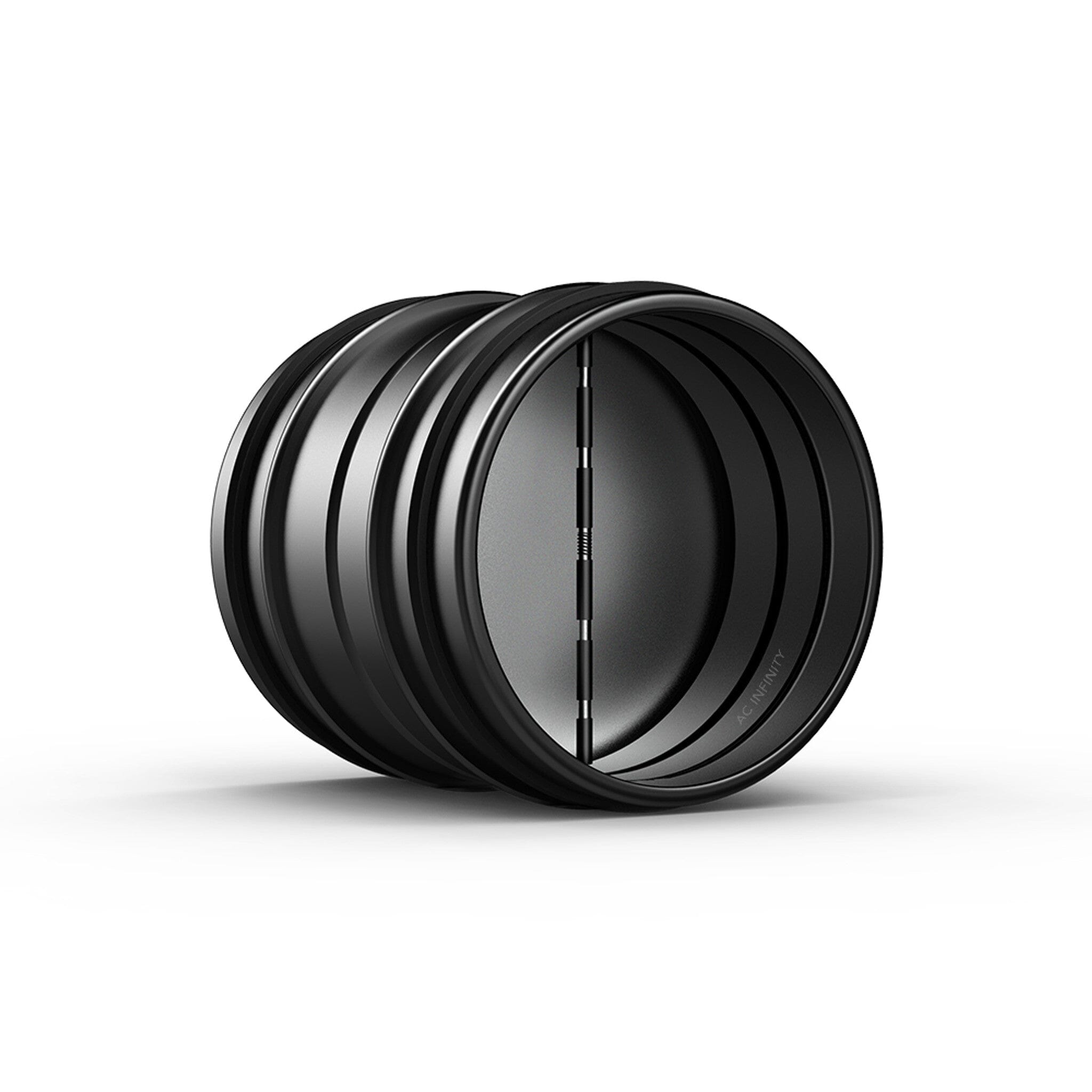


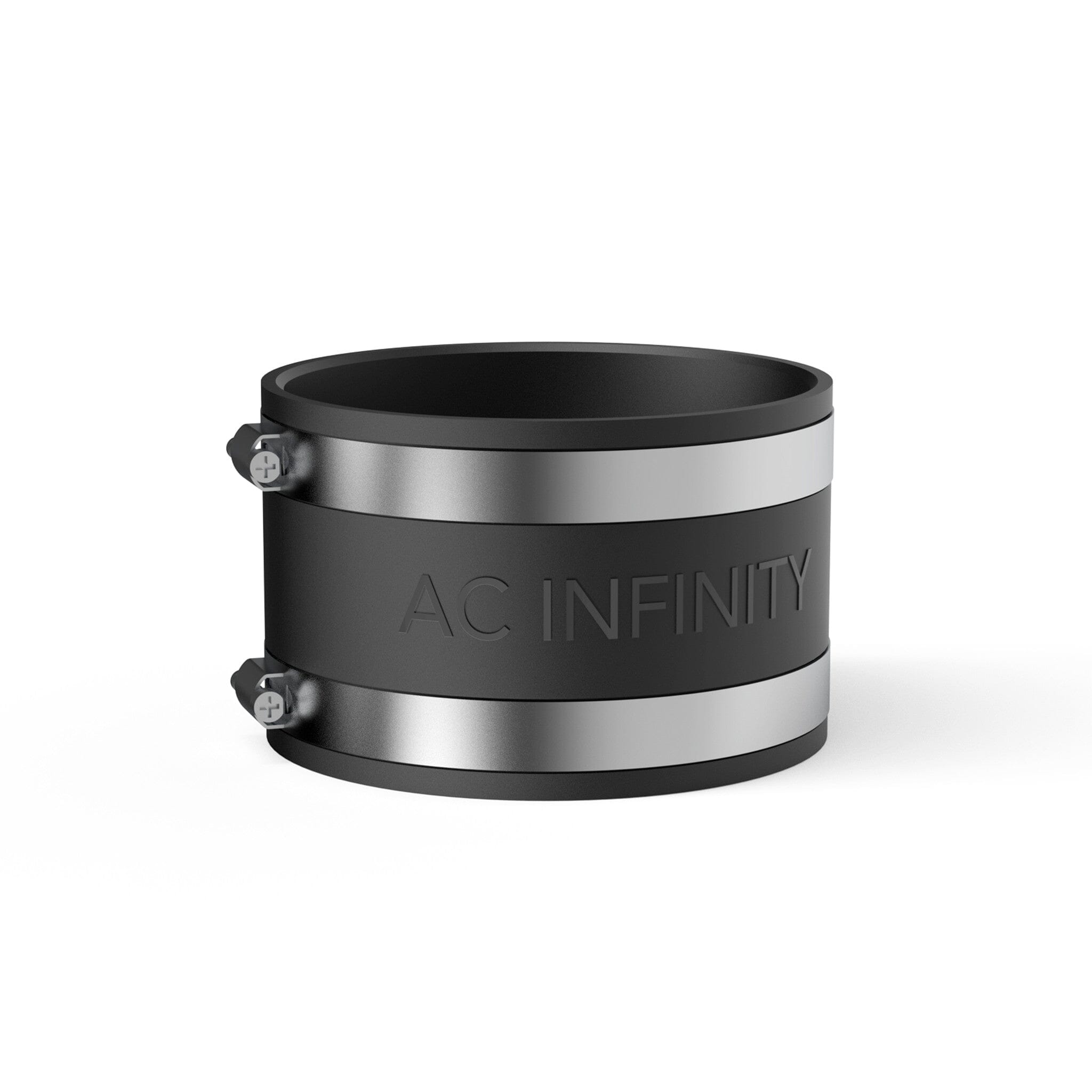
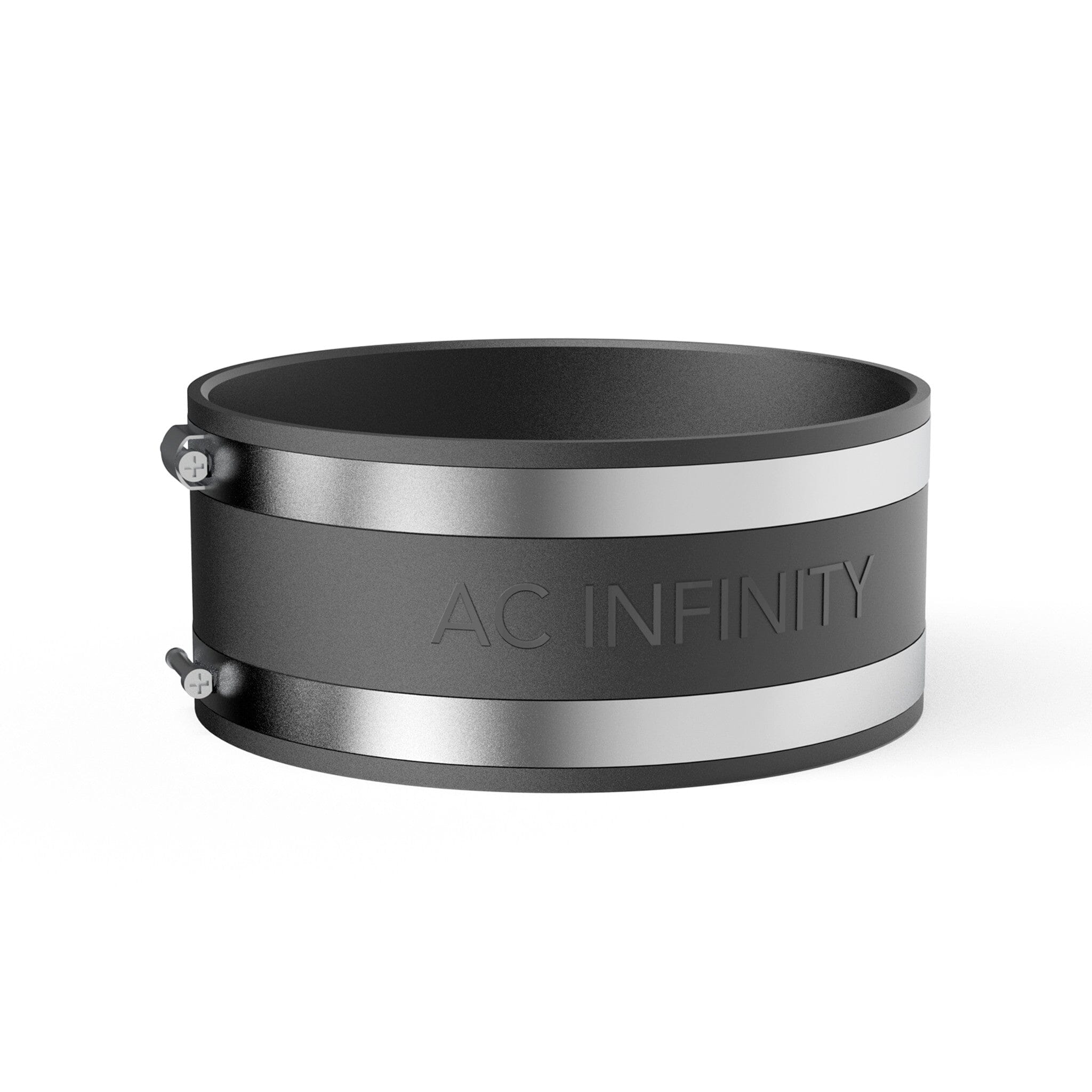
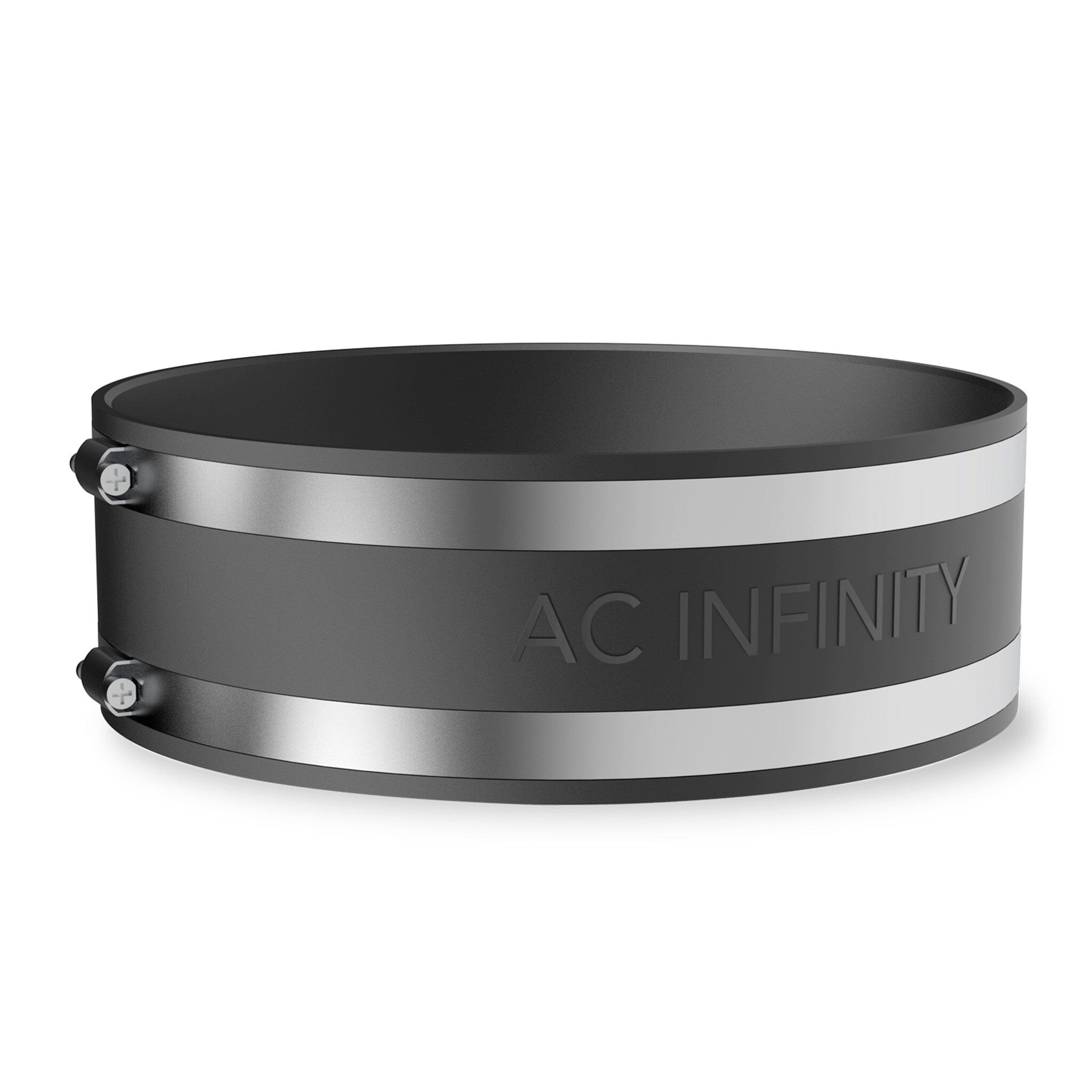


A ducted run is only as good as the parts joining it together. The fan and the duct get the attention, but it is the damper, reducer, splitter, collar, clamp and grille that decide whether the air actually goes where you sent it — and whether it stays there when the fan switches off.
This is the full AC Infinity ducting-parts range held in Sydney: galvanised and powder-coated steel, sized to standard 100, 150 and 200 mm duct, backed by a two-year warranty handled here rather than overseas.
21
parts in the range
100–200 mm
standard duct sizes
Steel
galvanised or powder-coated
2-year warranty
genuine AC Infinity, QBL-backed
Two audiences, the same parts
These fittings are the common ground between home ventilation and hydroponics. A backdraft damper does exactly the same job stopping wind blowing back down a subfloor exhaust as it does stopping odour pushing back into a grow room. Same steel, same duct sizes, different reason for buying it.
Home ventilation
- Subfloor and underfloor exhaust runs
- Bathroom, laundry and kitchen ducted exhaust
- Garage, shed and workshop extraction
- Ducted supply and return between rooms
- Wall, eave and floor terminations
Hydroponic ventilation
- Tent and grow-room extraction through a carbon filter
- Splitting one fan across two tents or two light zones
- Keeping odour from backflowing when the fan cycles off
- Stepping a 200 mm fan down to 150 mm duct, or the reverse
- Quieting a run without adding a full silencer
Which part do I need?
| Problem | The part | Sizes stocked |
| Wind, odour or cold air comes back down the duct when the fan is off | Backdraft damper — a gravity flap that sits inside the duct and only opens one way | 100 · 150 · 200 mm |
| The fan and the duct are different sizes | Duct reducer — a steel cone that steps one size to the next without crushing duct | 150→100 · 200→150 mm |
| One fan needs to feed two places | 3-way Y splitter — one inlet, two outlets, in steel rather than flexible tape-ups | 100 · 150→100 · 150 mm |
| Duct has to meet a wall, floor or box cleanly | Ducting collar — a flanged galvanised collar that screws to the surface and takes duct on the spigot | 100 · 150 mm |
| The outside opening needs to close itself | Shutter grille — white steel blades that open on airflow and drop shut when the fan stops | 100 · 150 mm |
| A duct end needs a tidy, debris-proof face | Grille vent — fixed louvres, covers the cut edge, keeps leaves and pests out | Steel 100 · 150 · 200 mm; PVC 100 mm |
| A rectangular opening between joists or studs needs finishing | Register grille — rustproof steel register for floor, wall or ceiling cuts | 4 × 12 · 6 × 12 inch |
| Noise and vibration travel along the duct | Noise reduction clamp coupler — joins two duct lengths and breaks the vibration path | 100 · 150 · 200 mm |
Damper, shutter or plain grille?
These three get confused constantly, and picking the wrong one is the most common reason a run smells, whistles or lets weather in.
| Where it sits | Does it close? | |
| Backdraft damper | Inside the duct, anywhere along the run | Yes — gravity flap, one-way |
| Shutter grille | On the outside face of the wall | Yes — blades drop shut when airflow stops |
| Grille vent | On the face of the wall, ceiling or eave | No — fixed louvres, airflow both ways |
| Register grille | Over a rectangular opening in floor, wall or ceiling | No — fixed louvres |
The rule of thumb: if the fan cycles on and off, something in the run has to close. That is either a damper in the duct or a shutter at the wall — a plain grille or register will not do it. On an exposed, windy elevation, or a sealed grow room where odour control is the point, fitting a damper and a shutter is not overkill.
Sizing without losing airflow
Every reduction costs you. A 200 mm fan stepped down to 150 mm duct is no longer a 200 mm fan — static pressure rises, airflow drops, and the fan works harder and louder for less result. Reduce as late in the run as possible, and never at the termination itself.
Match the grille to the duct, not to the fan. If the duct is 150 mm, the grille is 150 mm. Choking the run at the face is where people quietly lose a third of their airflow and then blame the fan.
Splitting halves it, roughly. A 3-way Y splitter sends one fan to two outlets, so each branch gets about half the airflow — less, if the branches are different lengths. Size the fan for the total, not for one branch. In a grow room, that also means one carbon filter sized for the whole flow, not per tent.
What goes with what
Most runs need three or four of these, not one:
| A subfloor exhaust | Fan → damper → duct → shutter grille at the outside wall. Add a collar where duct meets the wall or the fan box. |
| A tent or grow room | Carbon filter → fan → noise clamp → duct → damper → grille vent outside. Passive intake through a register grille. |
| Two tents, one fan | 150 mm Y splitter after the fan, a damper in each branch so one tent does not backfeed the other. |
| A mismatched fan and duct | 200→150 mm reducer or 150→100 mm reducer, fitted as late in the run as the layout allows. |
For the ducting itself, see ducting and silencers. For the fans, exhaust fans. For odour control, carbon filters. For a complete underfloor system, subfloor and underfloor ventilation.
FAQ
Will a damper stop odour completely?
It stops air travelling the wrong way down the duct, which is where most backflowed odour comes from. It is a gravity flap, not an airtight seal — odour control itself is the carbon filter’s job. Damper plus filter is the combination that works.
Which way round does a backdraft damper go?
Flap opening in the direction of airflow, and mounted so the flap can fall shut under gravity. Fitted backwards it blocks the run; fitted flat it will not close. The arrow on the body is there for a reason.
Can I use these with flexible acoustic ducting?
Yes. All of them are sized to standard 100, 150 and 200 mm duct, flexible or rigid. Clamp over the spigot and tape the joint — acoustic duct in particular needs the clamp, because the insulation layer will not hold on tape alone.
Steel or PVC grille?
Steel outdoors, in exposed positions, and anywhere it might get knocked. PVC indoors, in permanently damp spots, or where weight matters — it will never rust, but it is the wrong choice on a sun-exposed external wall.
Do you stock 200 mm splitters, collars or shutters?
Not currently. At 200 mm the range is dampers, reducers, grille vents and noise clamps. If you need a 200 mm splitter or collar, tell us — demand is what decides what gets ordered in.
Is this genuine AC Infinity stock with an Australian warranty?
Yes. Quick Bloom Lights is the official Australian importer and distributor for AC Infinity. Stock is held in Sydney, orders ship domestically, and the two-year warranty is handled here rather than through an overseas seller.