
AC Infinity Cloudline Pro Inline fans
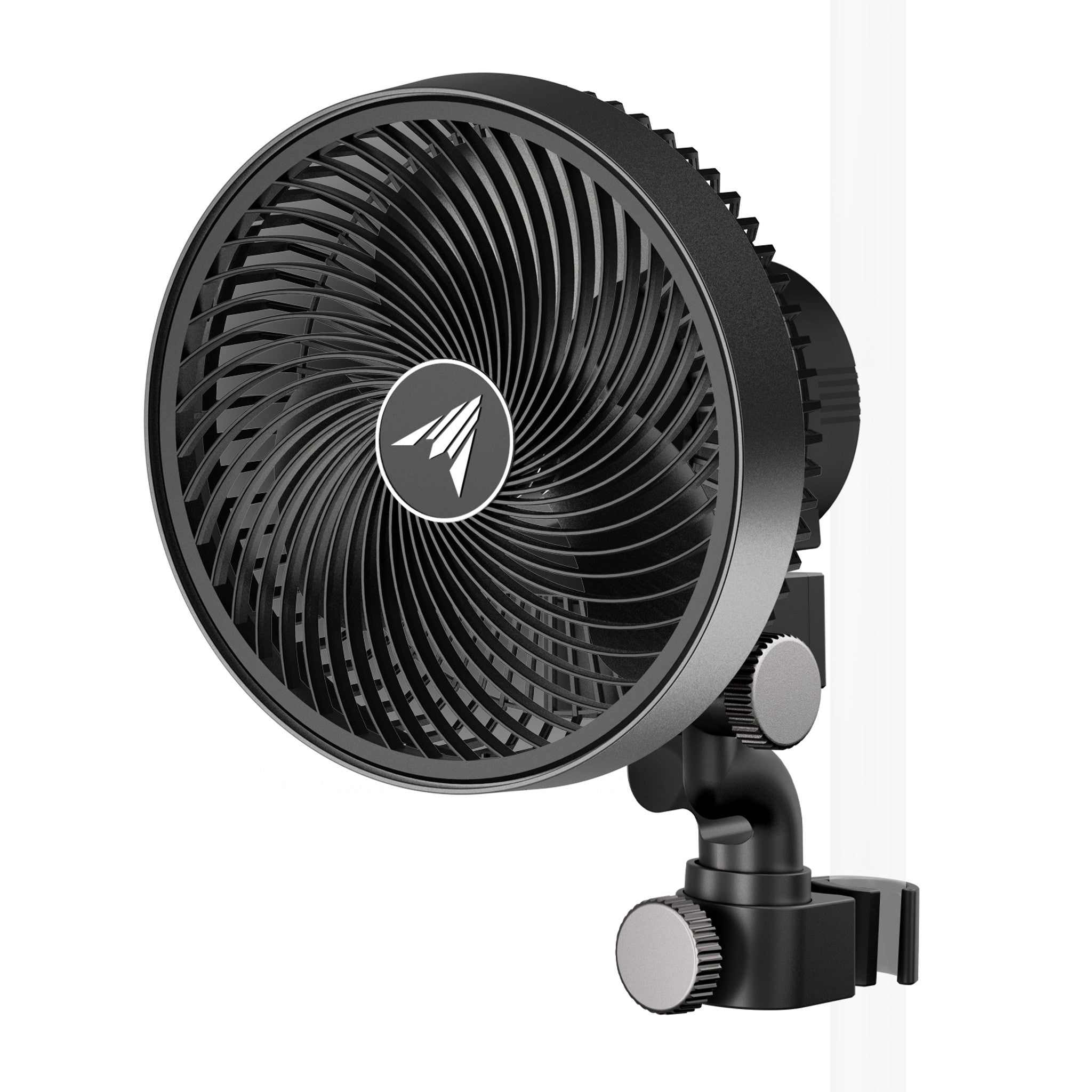
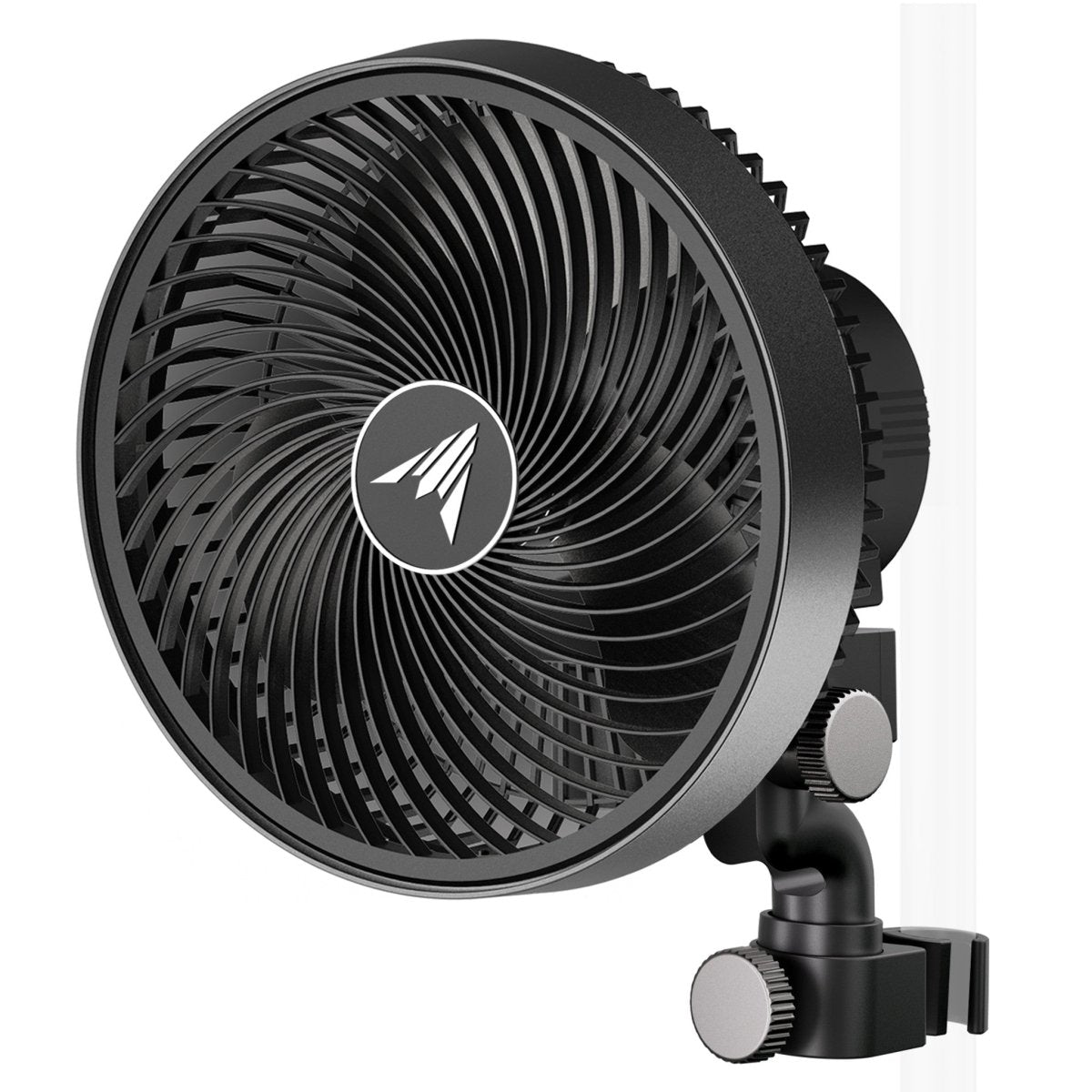
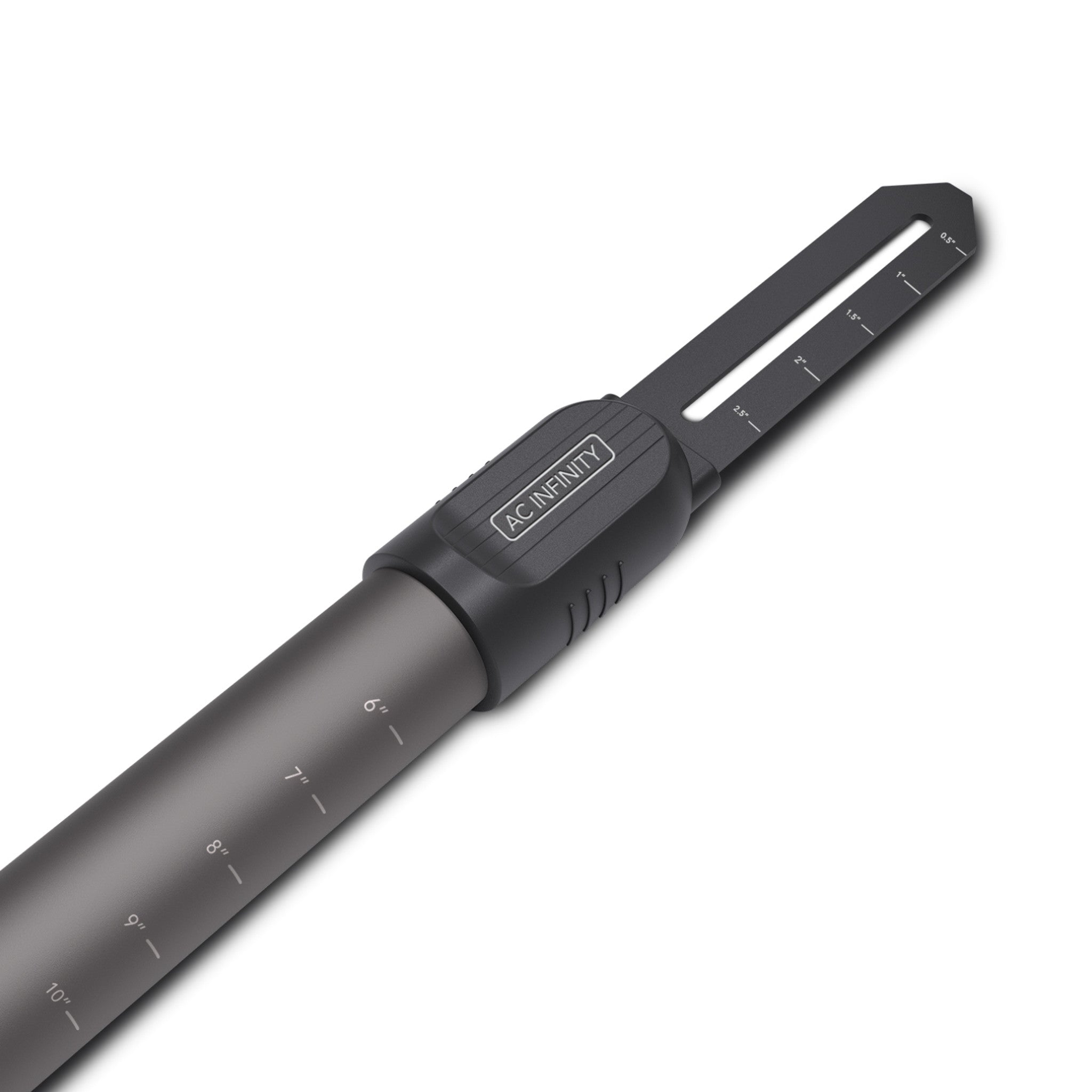
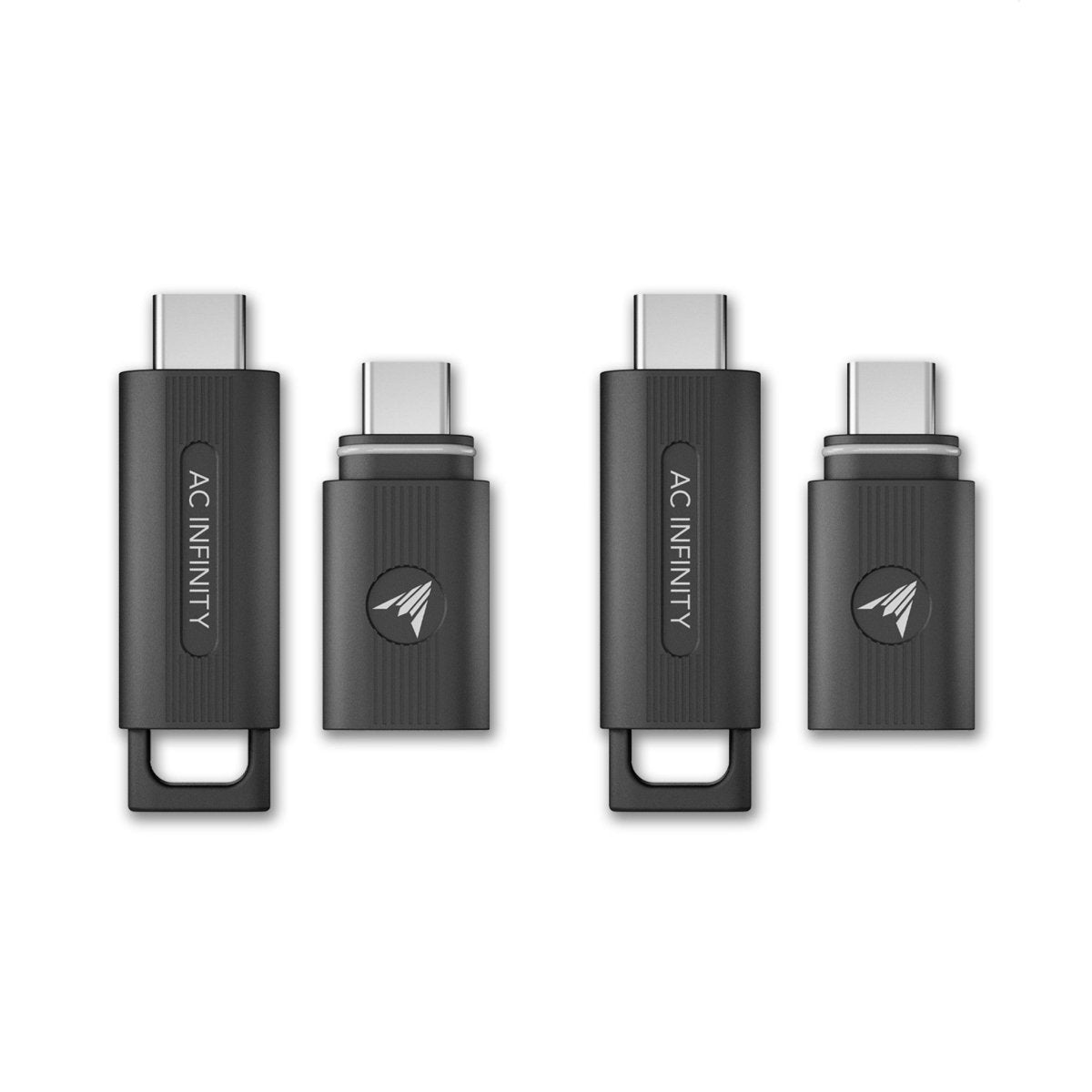


Quiet, high-static-pressure inline duct fans in 100 mm through 300 mm, stocked in Sydney by Quick Bloom Lights as the official Australian AC Infinity importer. Every Cloudline Pro uses a PWM-controlled EC motor and a mixed-flow impeller — the combination that holds airflow through carbon filters, bends and long duct runs where cheaper axial fans stall. Grow tent, subfloor, attic, garage or AV cupboard, the range covers it with two control options: a manual dial (S Series) or full climate automation (T Series).
100–300 mm
4″ through 12″ ducting
EC motor
quiet, and cheap to run at part speed
67,000 hrs
rated bearing life (manufacturer)
2-year warranty
official importer, AU plug fitted
S Series or T Series?
Here's the part most listings don't tell you plainly: the fan is identical. Same EC motor, same mixed-flow impeller, same airflow, same noise rating. The only difference is how you control it — so this is a decision about your setup, not about fan quality.
S Series — manual speed dial
A physical 10-speed dial. Set it and that's the airflow you get. No app, no programming, nothing to configure. The right choice for a subfloor, garage or utility run where you want reliable quiet extraction and nothing to think about, and it saves you the cost of a controller you won't use.
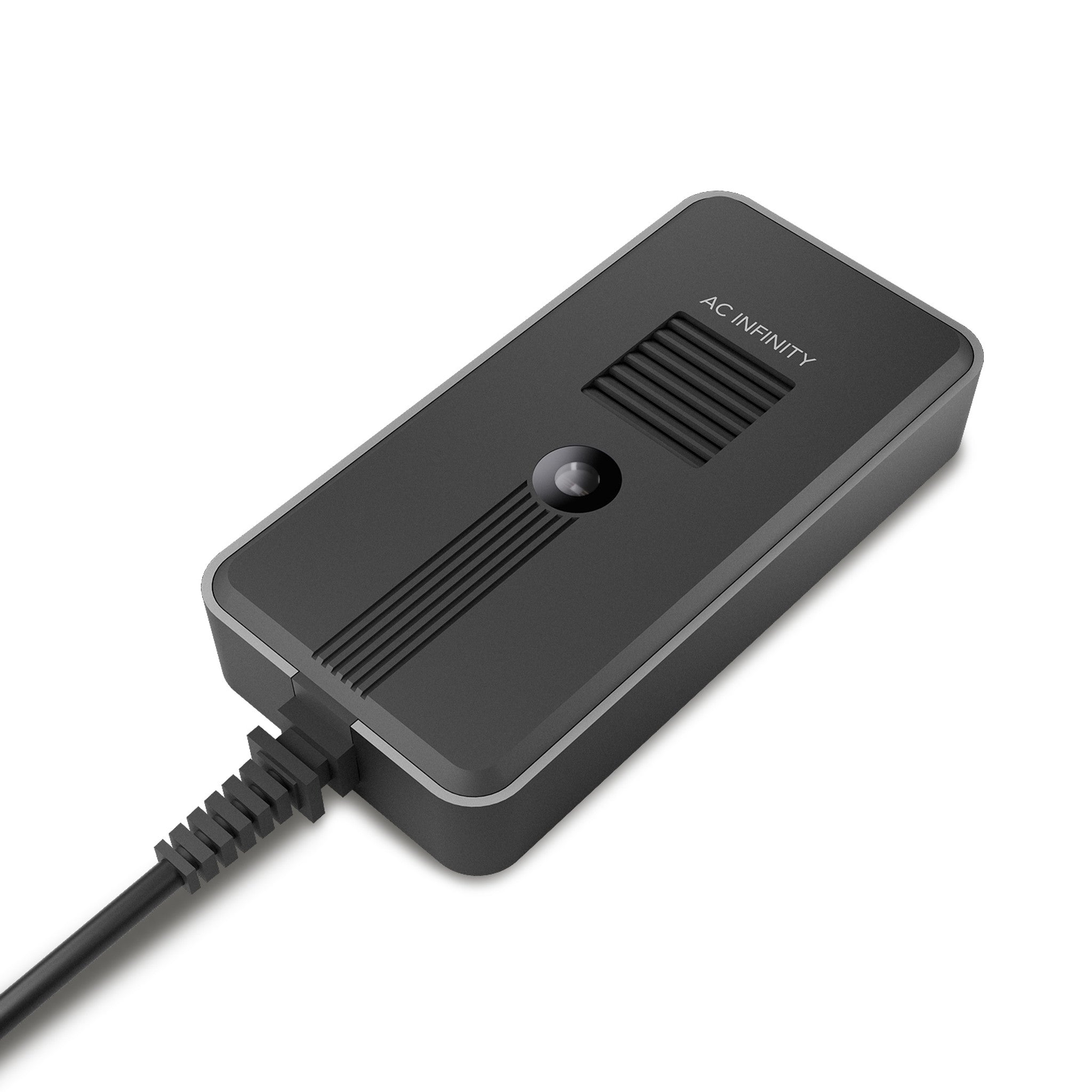
T Series — Controller 69 Pro included
Ships with the Controller 69 Pro: temperature, humidity and VPD triggers, dynamic speed that ramps with conditions rather than switching on and off, minimum-speed operation, timers, schedules and WiFi app control. The right choice for a grow tent, where you want the environment managed rather than just air moved.
Which size for your space
| Duct size | Airflow | Grow tents (with carbon filter) | Common home uses | Models |
|---|---|---|---|---|
| 100 mm (4″) | 384 m³/h · 107 L/s (226 CFM) | Tents up to 0.6 × 1.2 m (2x4) | Smaller bathrooms, ensuites, toilets, cupboards | S4 / T4 |
| 150 mm (6″) | 722 m³/h · 201 L/s (425 CFM) | Tents up to 1.2 × 1.2 m (4x4) | Most bathrooms, laundries, average subfloors | S6 / T6 |
| 200 mm (8″) | 1,456 m³/h · 404 L/s (857 CFM) | 1.5 × 1.5 m (5x5) and 1.2 × 2.4 m (8x4) tents, grow rooms | Subfloors, garages, workshops, medium bathrooms where you want it very quiet | S8 / T8 |
| 250 mm (10″) | 2,040 m³/h · 567 L/s (1,201 CFM) | Multi-tent runs, full grow rooms | Large subfloors, commercial | T10 |
| 300 mm (12″) | 2,725 m³/h · 757 L/s (1,604 CFM) | Commercial grow rooms, warehouse-scale extraction | Large subfloors, commercial | T12 |
Tent sizes are grow-tent ratings, allowing for a carbon filter, heat from the lights and roughly one full air change a minute. They are not a room-size limit. For a bathroom, laundry or kitchen, compare the L/s figure against the National Construction Code minimums in the FAQ below.
The single most useful rule: buy one size up and run it slower. A larger fan at 40–50% is quieter, cooler, cheaper to run and lasts longer than a smaller one pinned near maximum doing the same work. If you're between sizes, size up.
Not sure? Use our exhaust fan size calculator to work it out from your grow space dimensions. AC Infinity record these airflow figures with a 10% tolerance, which is one more reason not to size right on the limit.
Filtration kits — fan, filter and ducting together
If you're building from scratch, the Air Filtration Kits bundle a T-Series fan with a matched carbon filter, ducting and clamps. Buying matched saves the most common and most expensive mistake we see: putting a larger fan into smaller ducting or an undersized filter, which raises static pressure, drops real-world airflow well below the rated figure, and makes the fan louder rather than quieter.
T4 Kit 100 mm · T6 Kit 150 mm · T8 Kit 200 mm
Getting it quieter still
These fans are quiet for what they move, but noise is usually the thing that decides whether a setup is liveable. Two accessories make a real difference, and both are cheap next to the fan:
- Inline duct silencers fit into the run and absorb motor and air noise before it reaches the room — 100 mm, 150 mm, 200 mm.
- Noise reduction clamps use a nitrile rubber coupler between fan and filter, cutting transmitted vibration without losing air pressure at the joint — 100 mm, 150 mm, 200 mm.
Stepping up: Controller AI+
Where the Controller 69 Pro runs the thresholds you set, Controller AI+ learns your space and adjusts output to stop over- and under-shooting your targets rather than reacting to a single reading.
- Dual-zone temperature, humidity and VPD control — two spaces from one unit
- Runs up to 8 UIS devices directly, expandable to 32 with splitter hubs
- Beginner mode hands programming to the AI; Advanced mode keeps full manual control
- Programming keeps running if WiFi drops out
FAQ
Is the S Series a lower-quality fan than the T Series?
No. Same EC motor, same impeller, same airflow and the same noise rating. The T Series simply includes the Controller 69 Pro; the S Series has a manual dial instead. If you don't need climate automation, the S Series is the same fan for less money.
Can I add a controller to an S Series fan later?
Yes. The fan itself is the UIS device, and the 10-speed dial plugs into the same port a Controller 69 Pro or Controller AI+ uses — so you add a controller rather than replacing the fan. Buying the T Series up front is still cheaper than buying the S Series and a controller separately, so it is worth deciding now if you already know you want automation.
Can the Controller 69 Pro be powered on its own?
No — it draws power through the fan, so it can't run standalone. This comes up when someone upgrades to a Controller AI+ and wants to redeploy the spare 69 Pro. The workaround most customers use is to plug a clip fan into it: that gives the controller a power source and gets you a second climate zone plus a backup controller.
Will these work for subfloor or bathroom ventilation?
Yes, and a good share of what we ship goes to exactly those jobs rather than to grow tents. They're IP44-rated and mount horizontally or vertically. For bathroom exhaust, the fan must form part of a properly designed ducted system. Most people use the 150 mm for a bathroom, or the 100 mm for smaller rooms such as ensuites and toilets. The larger the fan, the quieter it is for the same airflow, because it can run slower. Several of our customers run the 200 mm S8 or T8 in a medium bathroom for more power in reserve and quieter running at low speed. What suits your job also depends on the space in the ceiling, the duct route and how much noise you can live with, so if you are unsure, send us the details and we will help. Do not install the fan, controller or power connection directly over a shower or bath, or anywhere it can get water spray.
How does the airflow compare with a ceiling or bathroom exhaust fan?
Installers rate exhaust fans in m³/h or L/s. The Cloudline range moves from 384 m³/h (107 L/s) for the 100 mm up to 2,725 m³/h (757 L/s) for the 300 mm at full speed; the 150 mm moves up to 722 m³/h (201 L/s). For comparison, the National Construction Code minimum for a bathroom or toilet is 25 L/s (90 m³/h), and 40 L/s (144 m³/h) for a kitchen or laundry, discharged outdoors rather than into the roof space. Real airflow drops with every metre of duct, bend and grille, which is where each fan's static pressure rating (in pascals, on its product page) matters. Check the requirements for your job with your installer.
Can one T Series controller run fans in two rooms?
The Controller 69 Pro that ships with the T Series runs up to four UIS fans, each on its own program, but it has one probe, so temperature and humidity are measured in one place only. A fan in a second room or the far end of a large space would react to readings from somewhere else. For two separate rooms, give each its own fan and controller. Within one room you do not need to switch it off: set a humidity or temperature trigger and the fan ramps up when the steam or heat builds and settles back down after. It also resumes its last setting after a power cut.
Why does an EC motor matter?
Two reasons. It can be dimmed proportionally, so the fan runs at the speed conditions actually need rather than full or nothing. And its power draw falls steeply as you dial it back, because fan power scales with roughly the cube of speed. A traditional AC-motor fan pulls close to its full rated wattage the moment it's switched on, whatever speed you set.
Is this genuine AC Infinity stock with Australian warranty?
Yes. Quick Bloom Lights is the official Australian importer and distributor for AC Infinity. Every unit ships with a fitted Australian three-pin plug and a 2-year warranty handled here in Sydney — no sending units overseas, no dealing with an offshore seller if something goes wrong.