Subfloor ventilation — written just as often as sub-floor or underfloor ventilation — means mechanically replacing the damp, still air trapped beneath a suspended floor with drier air from outside. It is the standard fix for a musty smell in the rooms above, mould on the underside of floorboards and joists, cupped or springy boards, and rust on stumps and ant caps. Everything needed to do it is on this page: crawl space fans, silenced inline fans, complete kits, humidity controllers, acoustic ducting, vents and dampers.
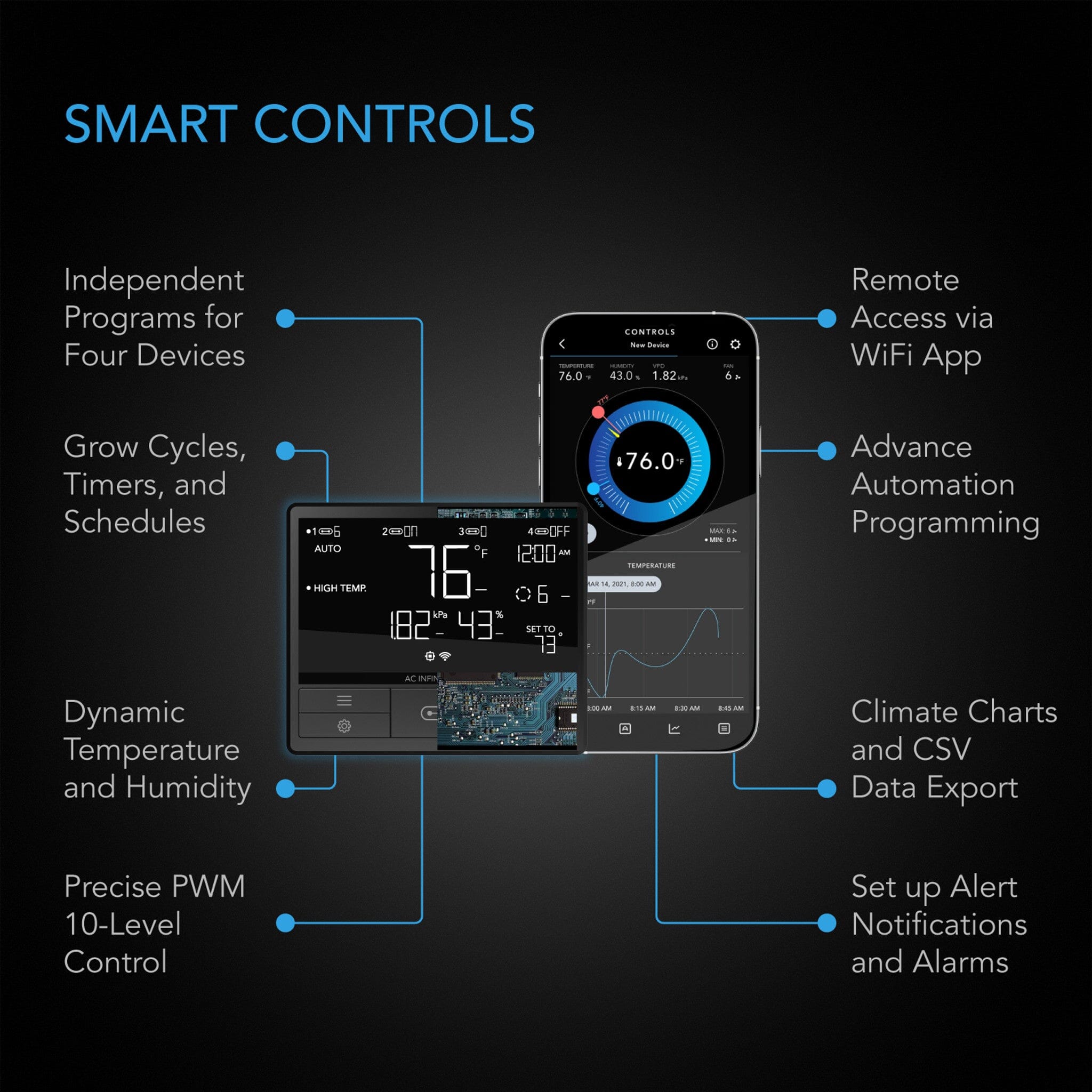
Two ranges cover most installs. VIND is our own brand, built around noise — the acoustic chamber is part of the fan rather than a silencer bolted onto the duct afterwards, which is what matters when the fan runs under a bedroom floor. AC Infinity is the automated side: the IP55 AIRTITAN T8 for crawl spaces and basements, complete WiFi subfloor kits, and the Cloudline inline range. Quick Bloom Lights is the official Australian importer and distributor for AC Infinity. Stock is held in Punchbowl, Sydney, orders ship Australia-wide, and warranty is handled here rather than through an overseas seller.
$249.95
AIRTITAN T8 — IP55, controller in the box
30 dBA
at 722 m³/h — Cloudline PRO S6
~$10
a quarter to run an EC fan on a humidistat
2-year warranty
Sydney stock, handled locally
Before you buy a fan, check the vents you already have. A large share of damp subfloors are houses whose passive wall vents have been painted over, rendered across, buried by a garden bed or built over by a deck. Clearing and adding passive vents is free or nearly free, and plenty of subfloors need nothing else. Our
subfloor ventilation guide walks through how to check yours against the NCC minimum opening area before you spend anything, and is equally clear about the cases where a fan is the wrong answer.
Start with the space, not the fan
Most of the choosing is done before you look at a single model. Find the situation and the rest follows.
| Your situation |
What suits it |
| Damp, musty air or mould under a suspended timber floor |
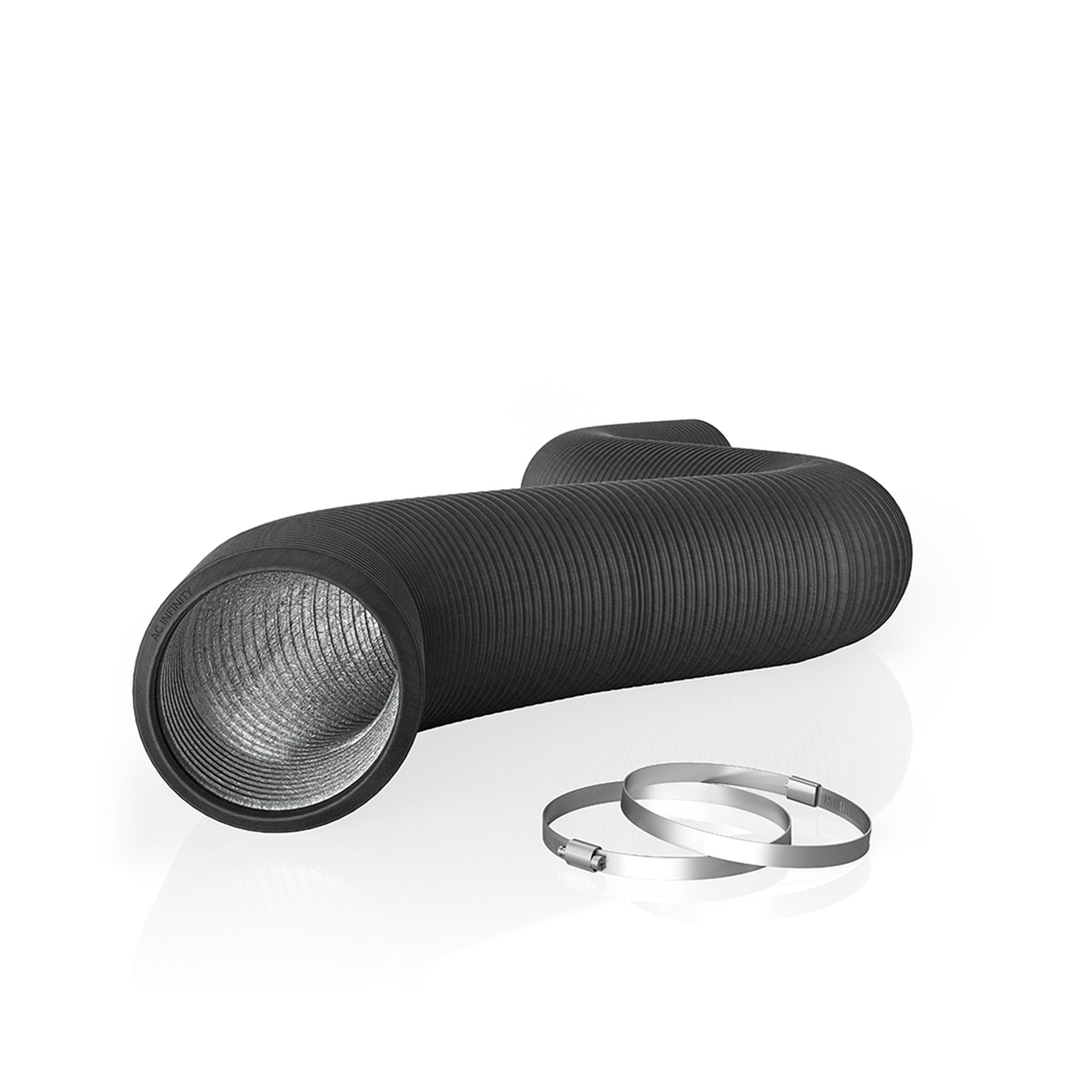
The 150 mm subfloor kit — fan, humidity controller, 7.6 m of ducting and clamps in one order. Under a bedroom, a VIND 150 mm silenced fan or the VIND 200 mm silenced kit instead. |
| Crawl space or basement where the fan itself sits in the damp |
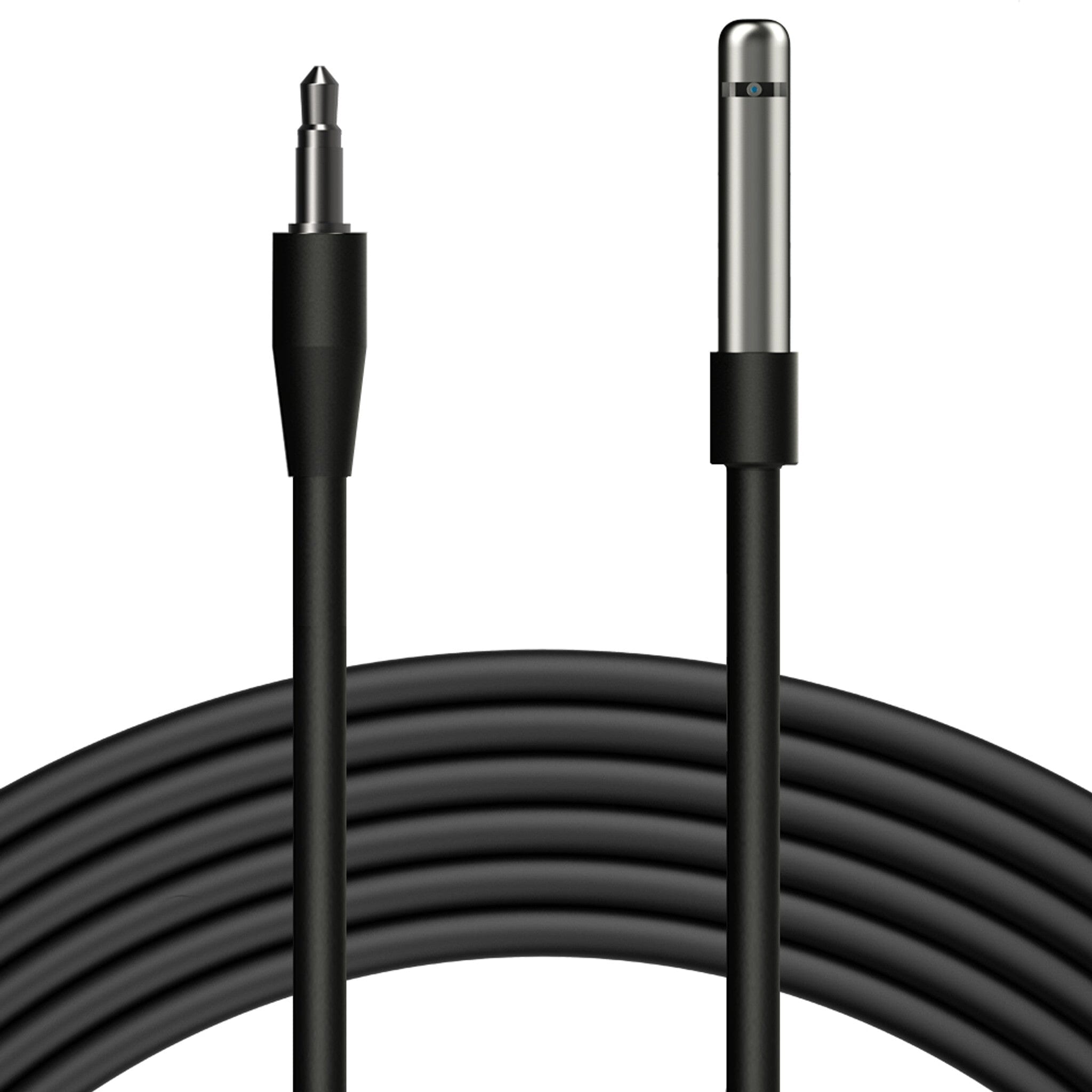
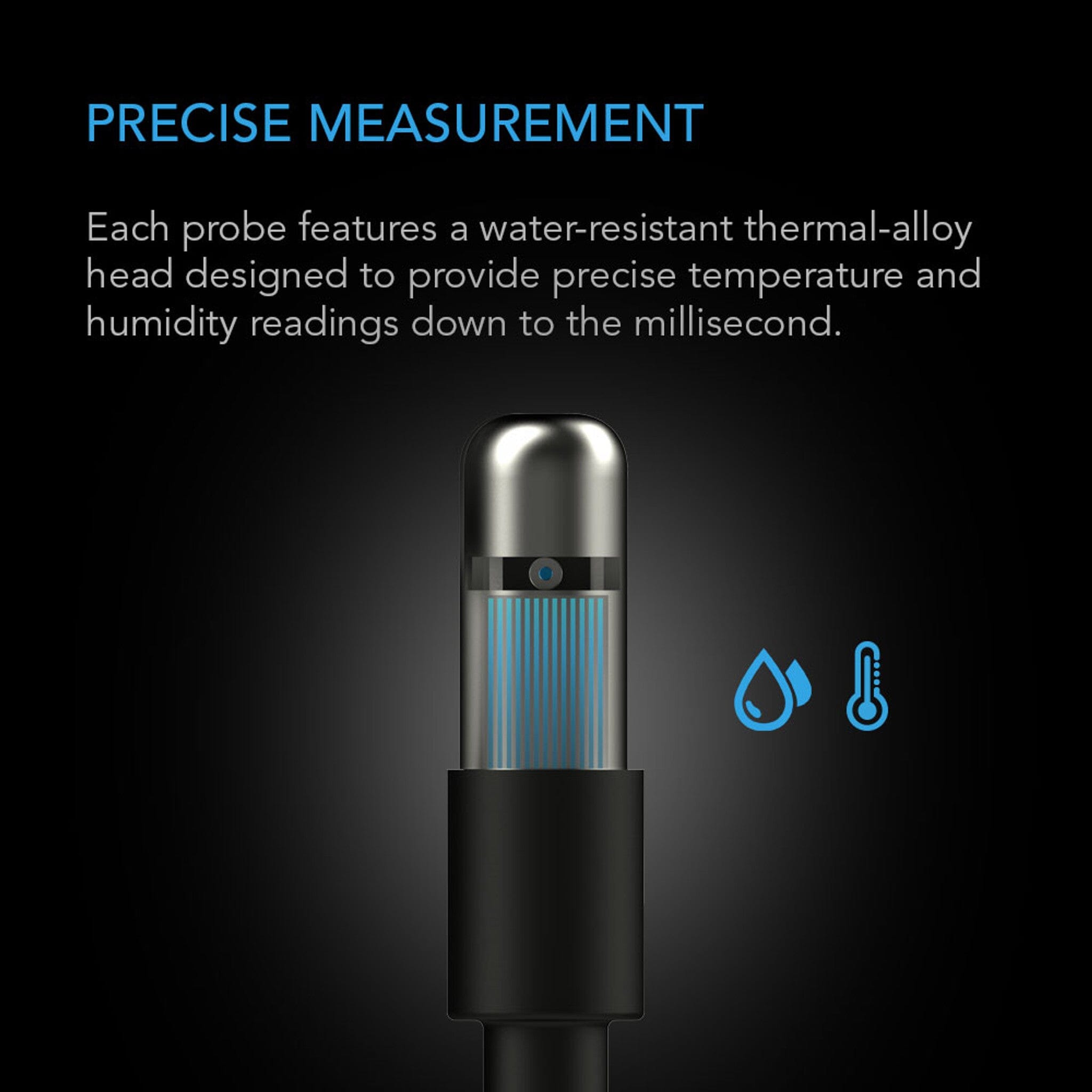
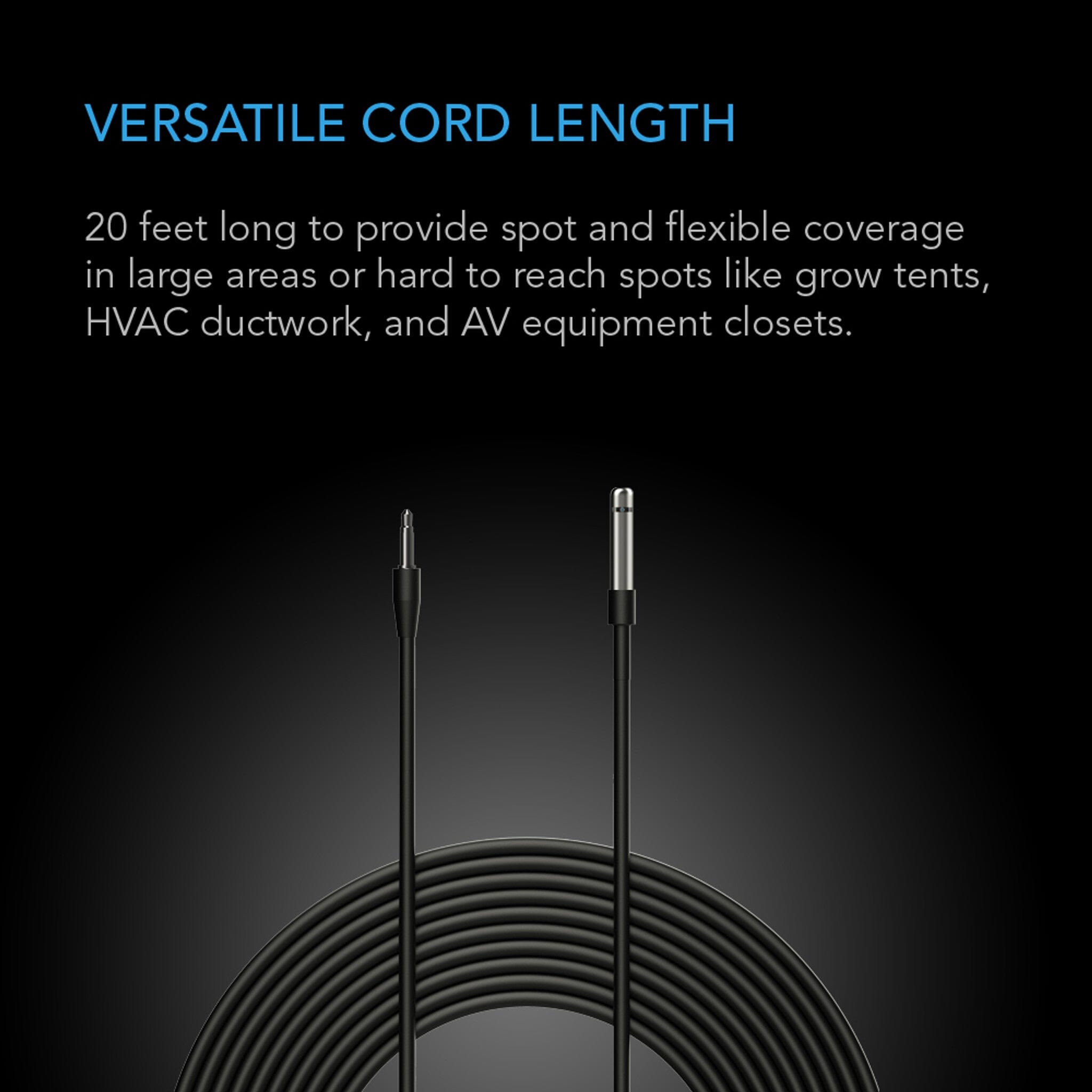
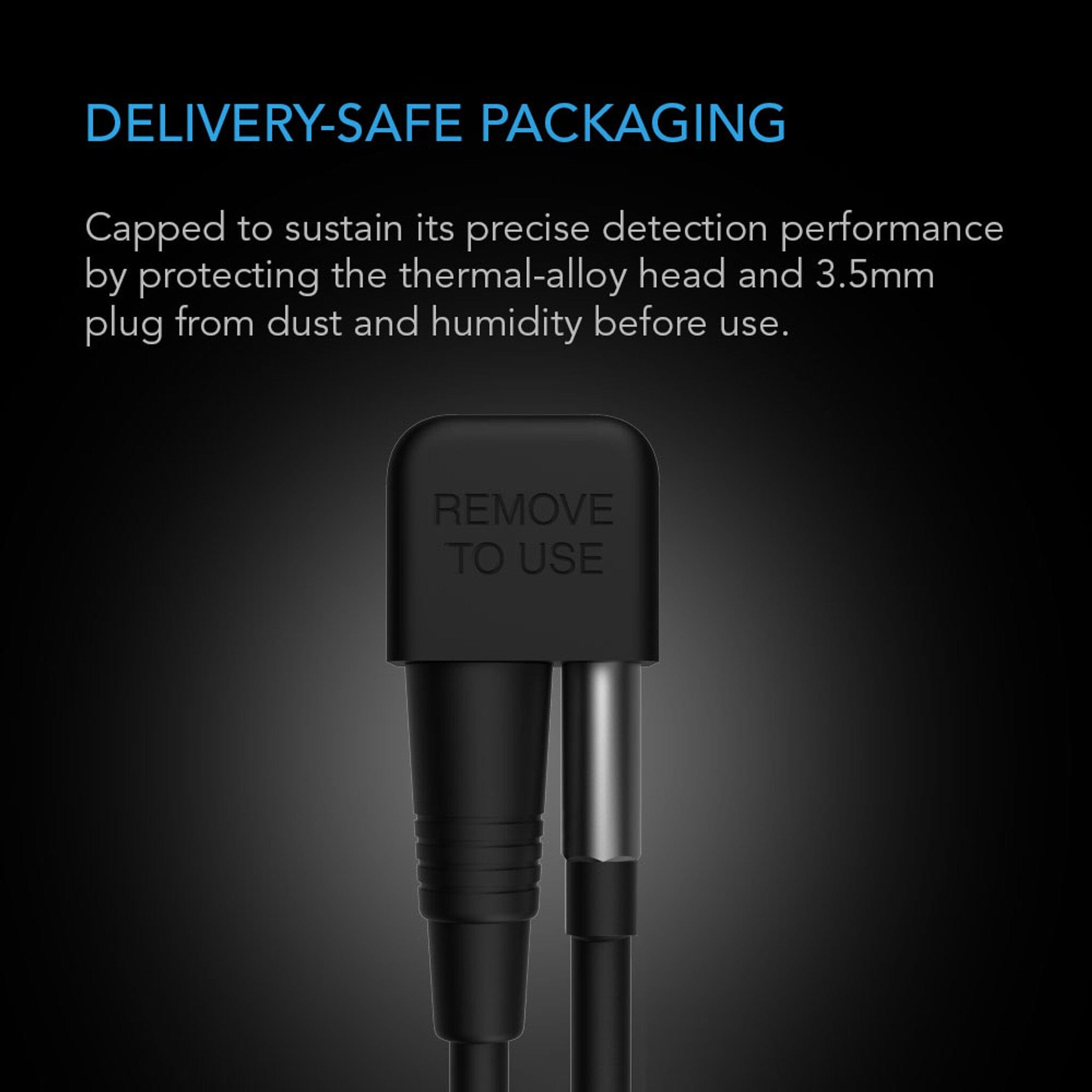
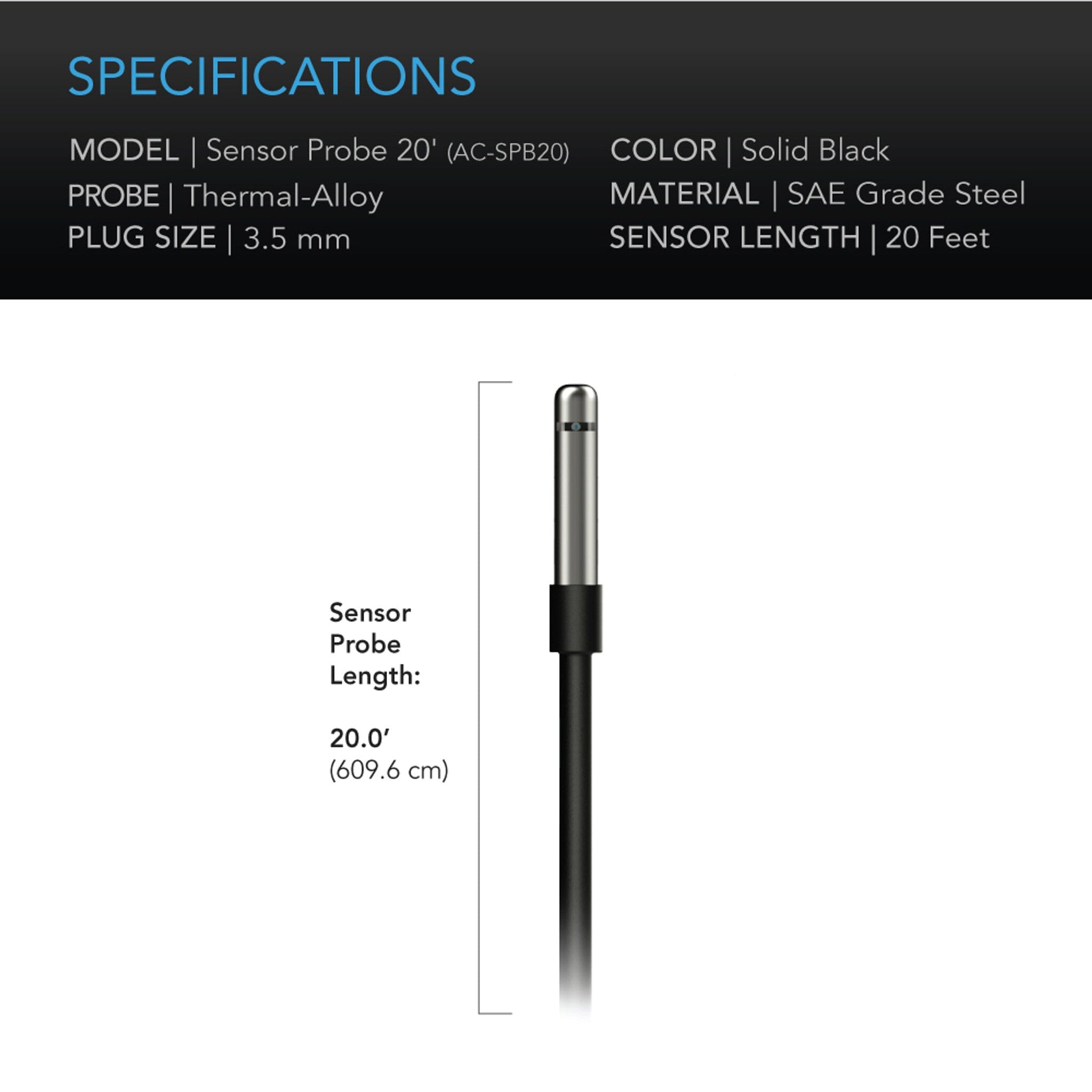
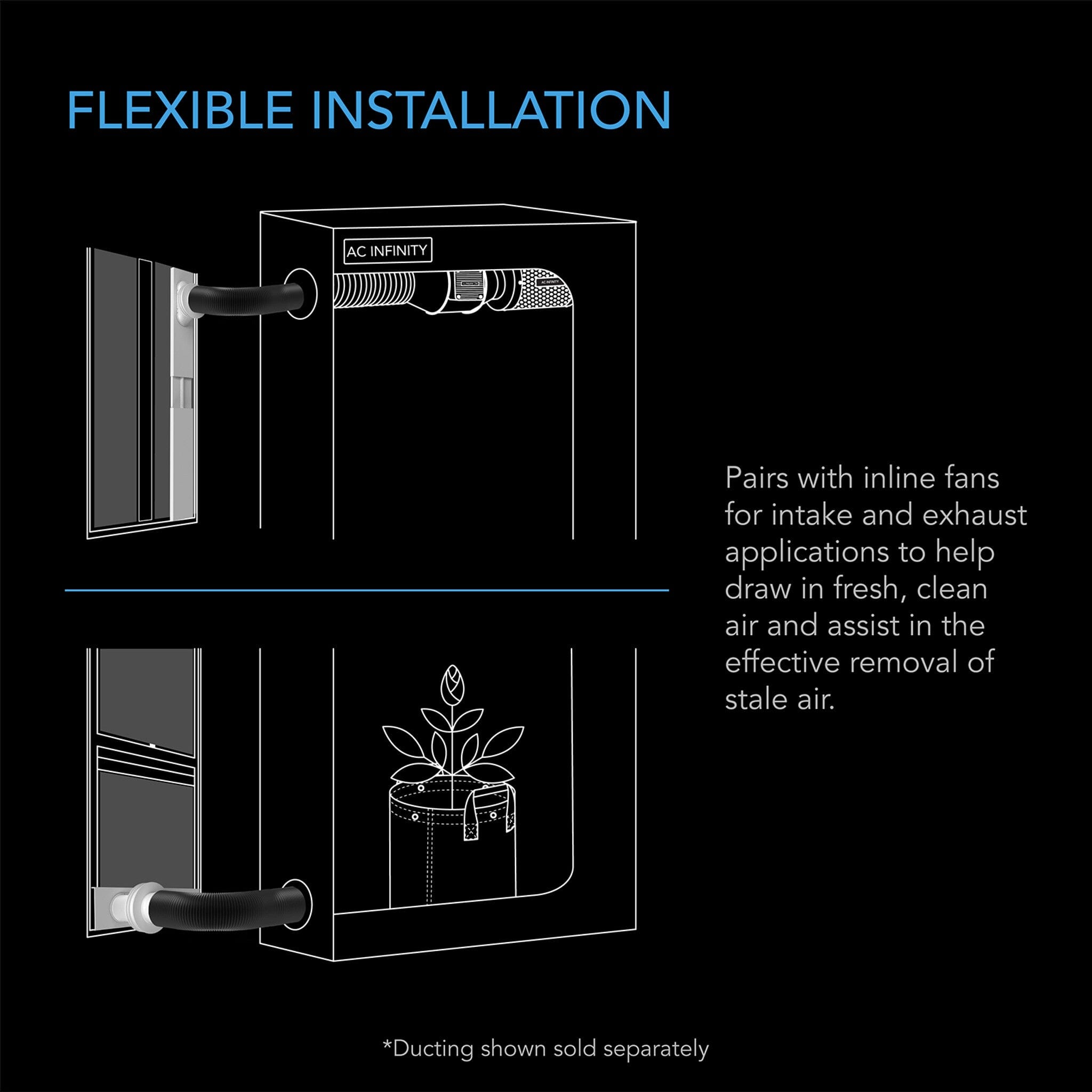
The AIRTITAN T8 — IP55 rated and wall-mounted, with the controller and a 3.7 m probe included. The simplest install on this page. |
| Large footprint, or the duct has to bend around piers and services |
The VIND 200 mm silenced kit — fan plus a metre of acoustic ducting — or the 200 mm WiFi subfloor kit if you want app control. A Cloudline PRO S8 where static pressure is the real constraint. |
| Dead corners behind an addition or an infilled verandah |
Any inline fan plus ducting run into the enclosed section. A second wall fan will not reach it. |
| Hot roof space or attic |
A Cloudline T8 on a temperature trigger, or an Airlift T14 through a gable end. |
| Garage, shed or workshop trapping heat and fumes |
A shutter exhaust fan straight through the wall — the shutter seals when it stops, so nothing blows back in. |
| One room hotter or damper than the rest of the house |
A room-to-room fan, which moves air between two adjoining spaces without a ducted install. |
| You already own a fan and want it running on humidity |
The VIND Temperature & Humidity Controller at $79.95 — direct-wired, no app and no account. |
What it costs, DIY against installed
All three complete kits sit together on the subfloor ventilation kits page if you want them side by side. Specialist Sydney installers publish figures around $2,500–$5,000 for a professionally installed subfloor system on an average home. That covers an on-site assessment, the hardware, cutting and fitting vents, wiring and a workmanship warranty. The hardware on its own is a small fraction of it:
|
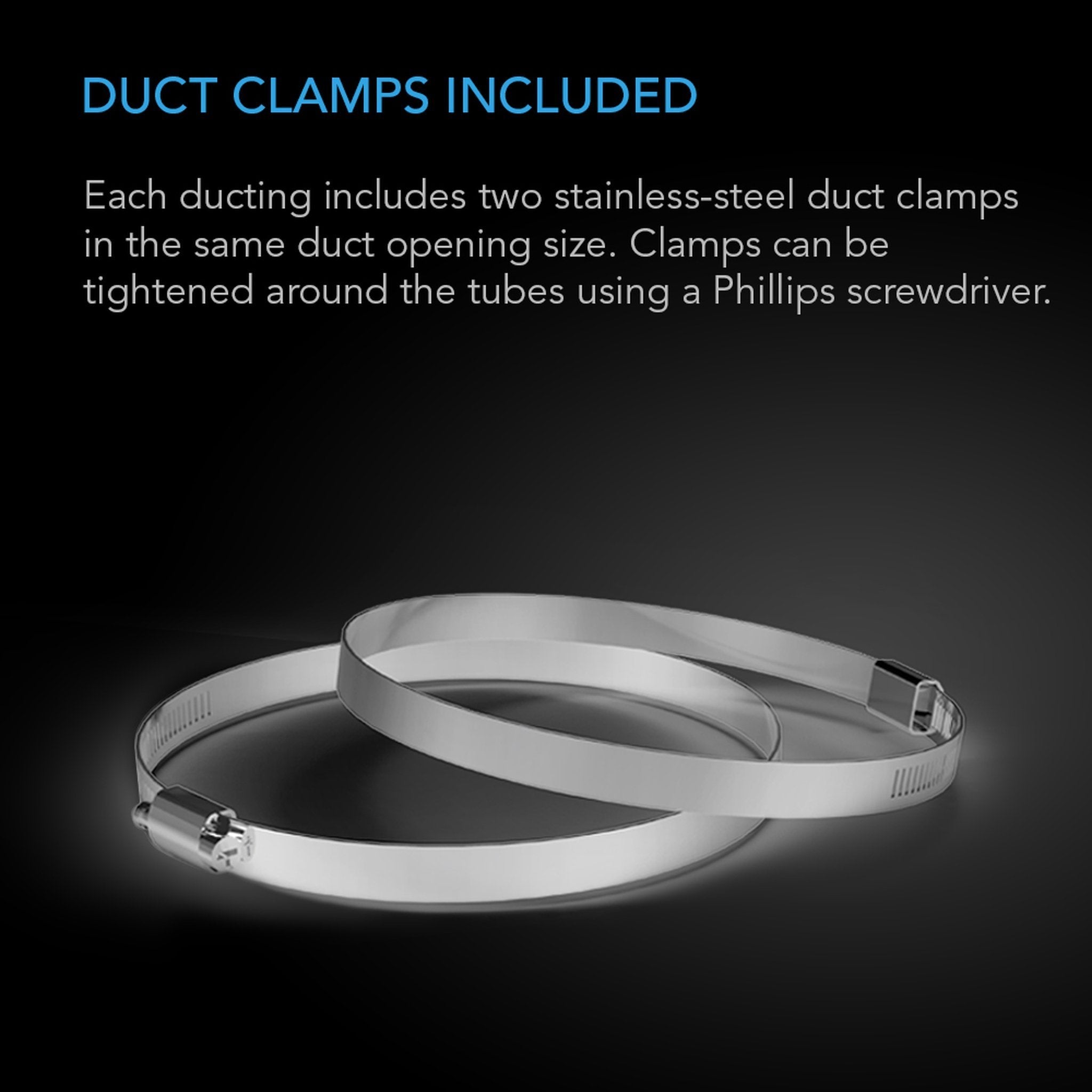
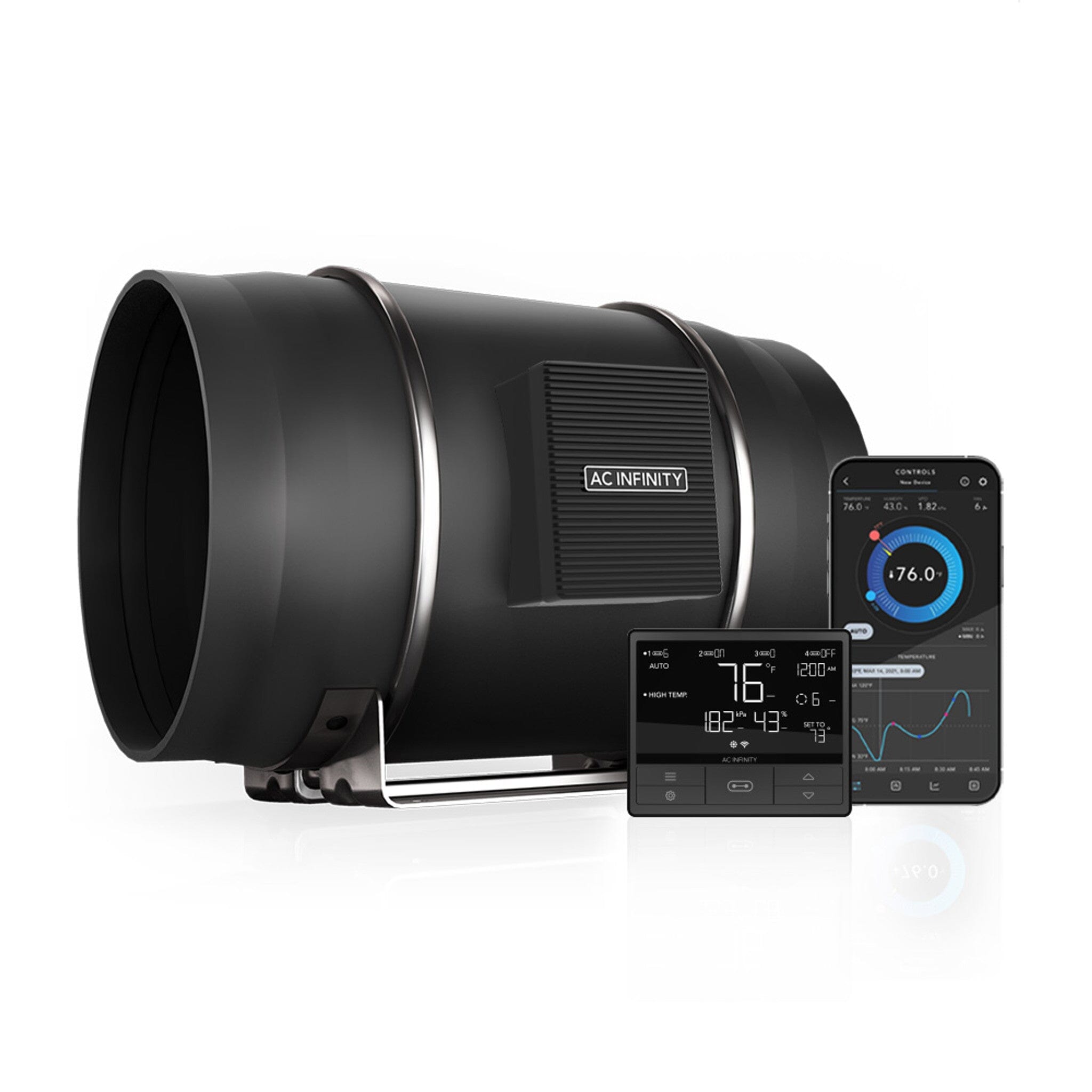
150 mm Subfloor Ventilation Kit — Cloudline T6, Controller 69 Pro, 7.6 m ducting, clamps |
$386.95 |
|
200 mm Subfloor Ventilation Kit — Cloudline T8, Controller 69 Pro, 7.6 m ducting, clamps |
$499.95 |
|
VIND 200 mm Silenced Subfloor Fan Kit — VIND 200 fan plus 1 m of acoustic ducting |
$349.95 |
|
AIRTITAN T8 — wall-mounted, IP55, controller and probe included |
$249.95 |
|
VIND 150 mm Silenced Inline Fan — acoustic housing built in, manual controller |
$229.95 |
|
VIND 200 mm Silenced Inline Fan — 995 m³/h, manual controller |
$329.95 |
|
VIND Temperature & Humidity Controller — adds humidistat control to any fan |
$79.95 |
Those installed figures come from installers’ own published price guides, are indicative rather than quotes, and vary considerably with access and house size. We have no commercial relationship with any of them. The honest comparison is not $400 against $4,000 for the same outcome — the difference buys an assessment, the labour and somebody else’s warranty on the workmanship. Whether that is worth it depends on your access, your confidence and your time. Free shipping Australia-wide on orders over $35.
The number to compare is dBA at airflow
“Quiet” on a fan listing means nothing by itself, because any fan is quiet if it barely moves air. The figure that matters is the noise rating paired with the airflow rating. For reference, 30 dBA is a quiet bedroom at night, 40 dBA is soft rain outside, and 50 dBA is a quiet office.
| Fan |
Airflow, noise and static pressure |
|
Cloudline PRO S4 — 100 mm |
384 m³/h (226 CFM) · small crawl spaces, short single-vent runs |
|
Cloudline PRO S6 — 150 mm |
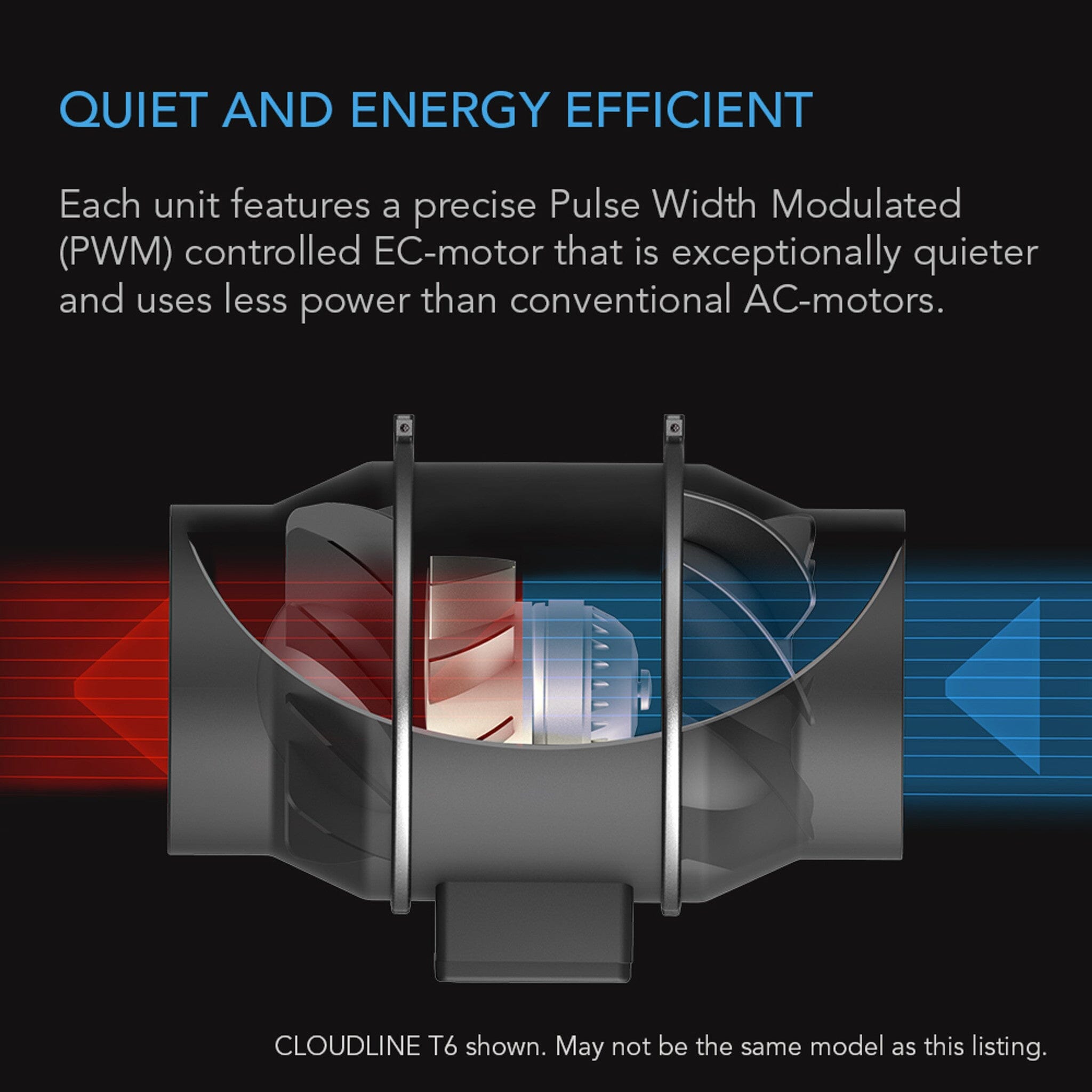
722 m³/h (425 CFM) at 30 dBA, 503 Pa · the size most homes land on |
|
Cloudline PRO S8 — 200 mm |
1,456 m³/h (857 CFM) at 38 dBA, 746 Pa · large subfloors, long runs |
| VIND 150 mm Silenced |
480 m³/h at 41 dB, 583 Pa · acoustic chamber built around the motor |
| VIND 200 mm Silenced |
995 m³/h at 47 dB, 656 Pa · the most air volume for the money |
|
AIRTITAN T8 — wall / crawl space |
408 m³/h (240 CFM) at 32 dBA, IP55 · the quietest thing we sell for a subfloor wall |
|
Airlift T10 — 254 mm shutter |
1,072 m³/h (631 CFM) at 67 dBA · a working fan for a shed, not a quiet one |
Two caveats that apply to airflow figures on any brand’s site, ours included. They are measured in free air with nothing in front of the fan, so a grille, a damper or a long duct run pulls real delivery below the rating. And the noise figure is at full speed, which is not the speed you will normally run. A larger fan wound back to level 3 is quieter than a smaller one pinned at level 10, draws less power and lasts longer. Between two sizes, take the bigger one.
150 mm or 200 mm?
As a general rule, 150 mm suits a smaller footprint with a short, direct duct run; 200 mm is the safer choice for a larger subfloor, a long run, or where the duct has to bend around piers and services before it reaches an outside wall. Bends and length both cost airflow, so a longer run wants the bigger fan even when the floor area alone would not say so.
If you want to work it out properly, the subfloor ventilation guide has the volume and air-changes maths with a worked example, and the fan sizing calculator covers what each bend and each metre of duct costs you. Or send us the rough dimensions, the ground-to-bearer clearance and how the duct has to travel, and we will tell you which one we would fit.
Where the noise actually comes from
People fit a quiet fan and are surprised the install is still audible upstairs. A ducted fan makes noise in three places and only one of them is the motor.
| The motor |
Solved by the EC motor and by not running the fan flat out. Already handled by everything on this page. |
| The duct |
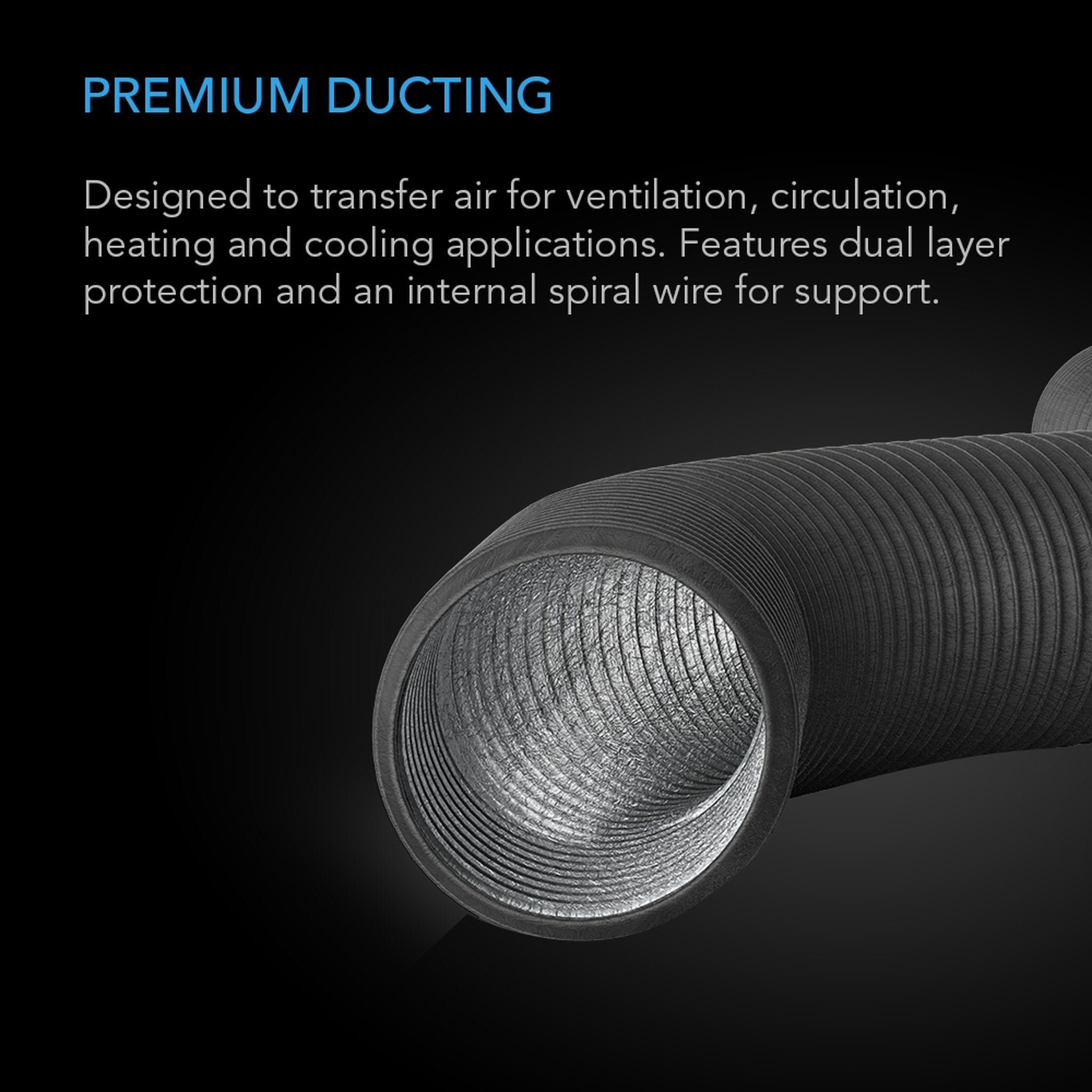
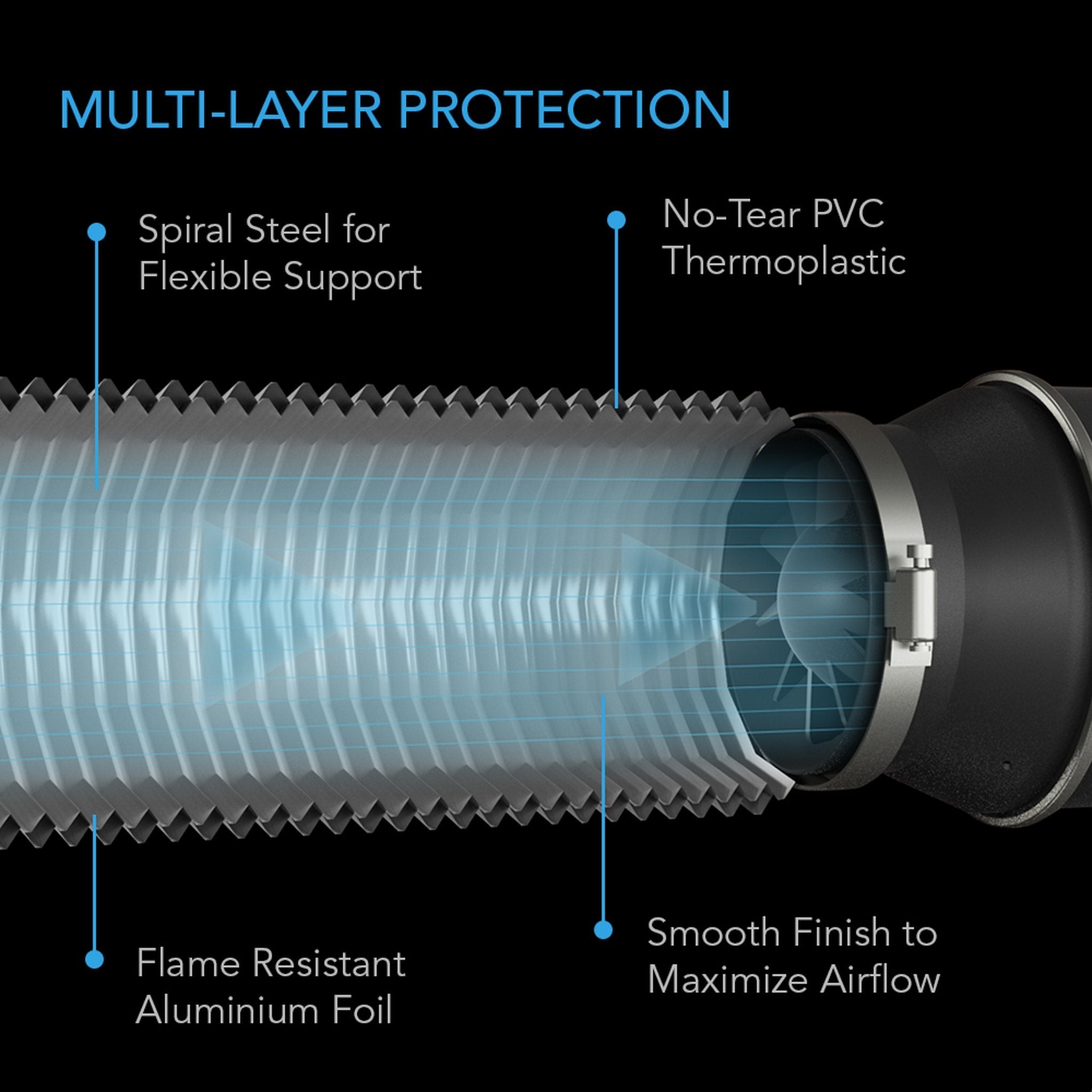
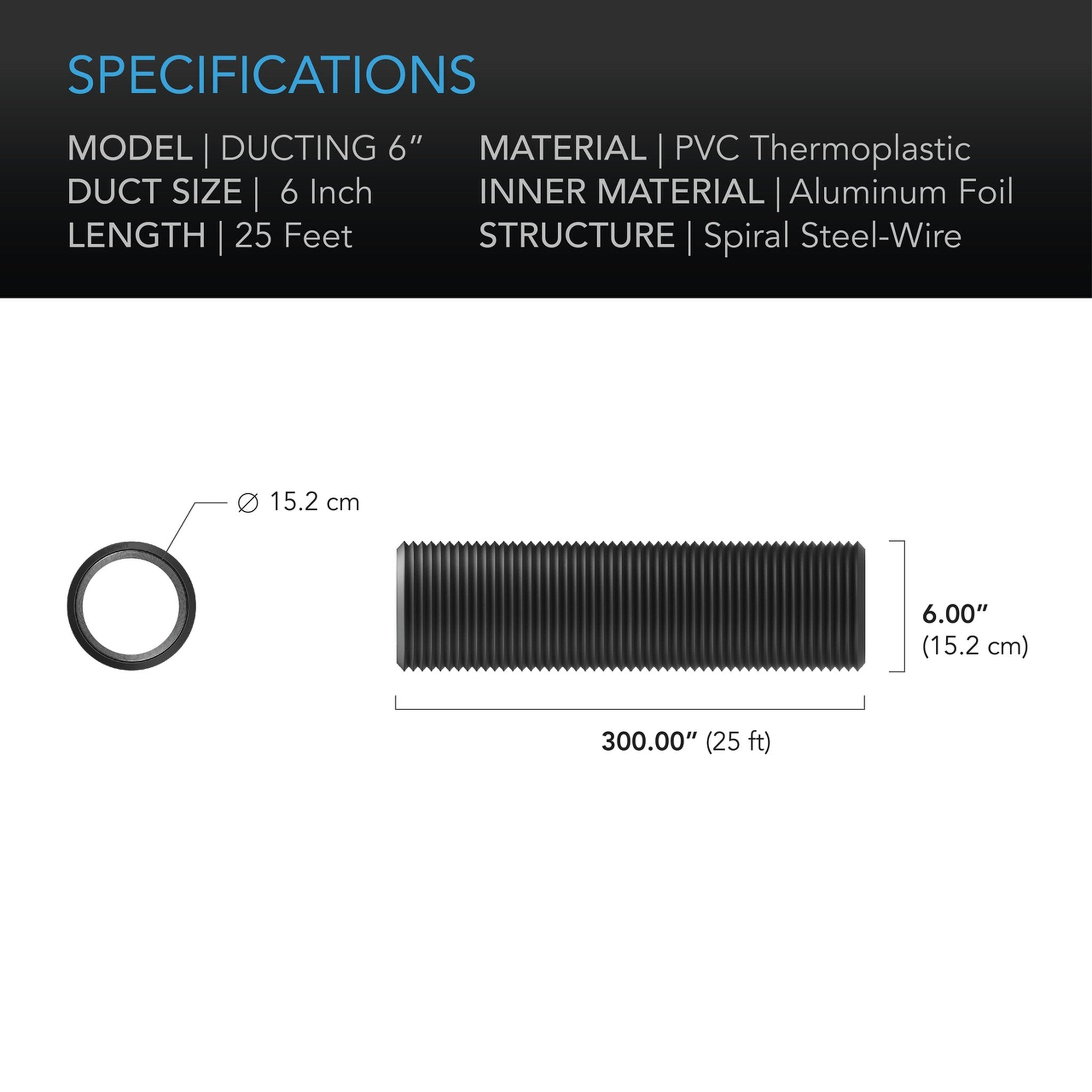
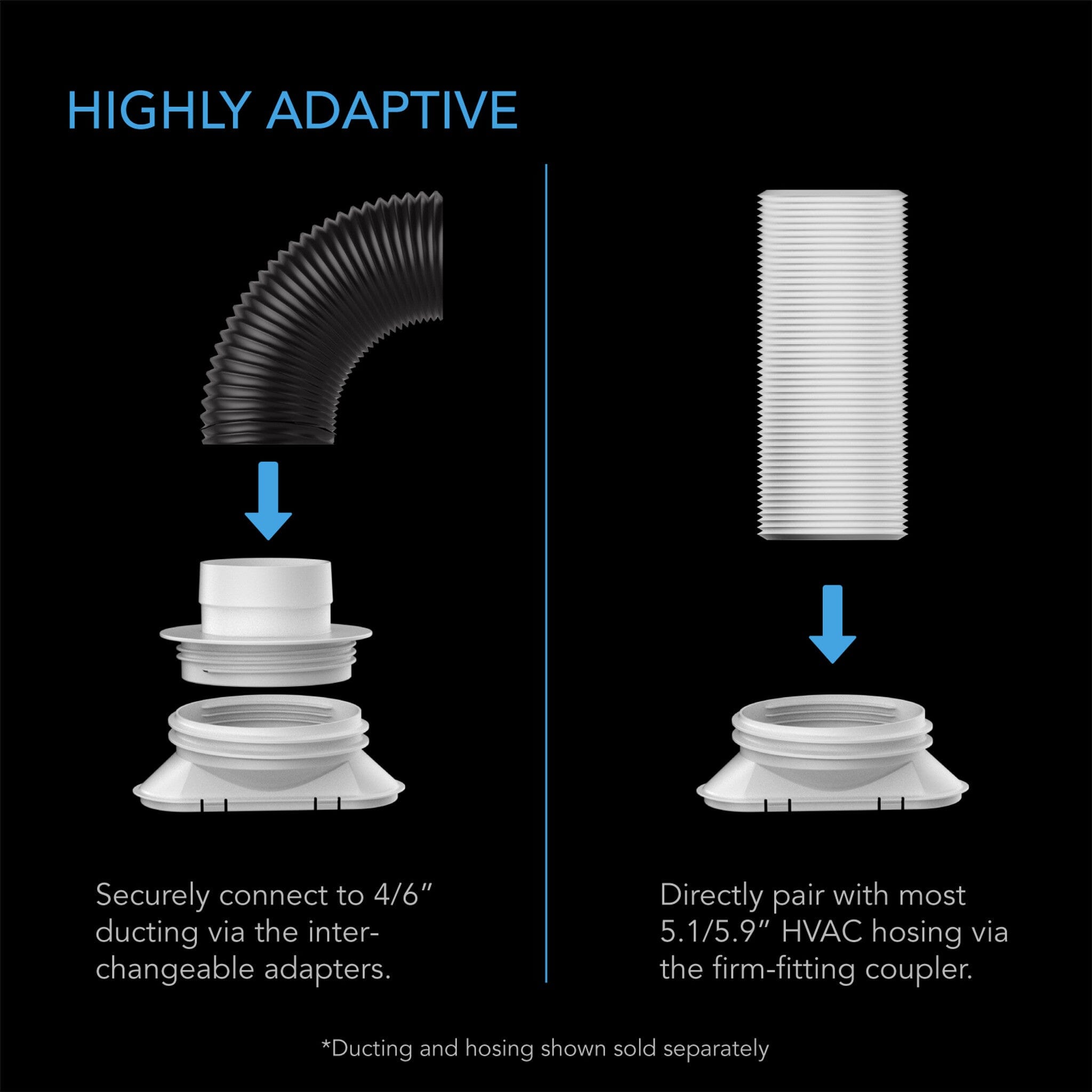
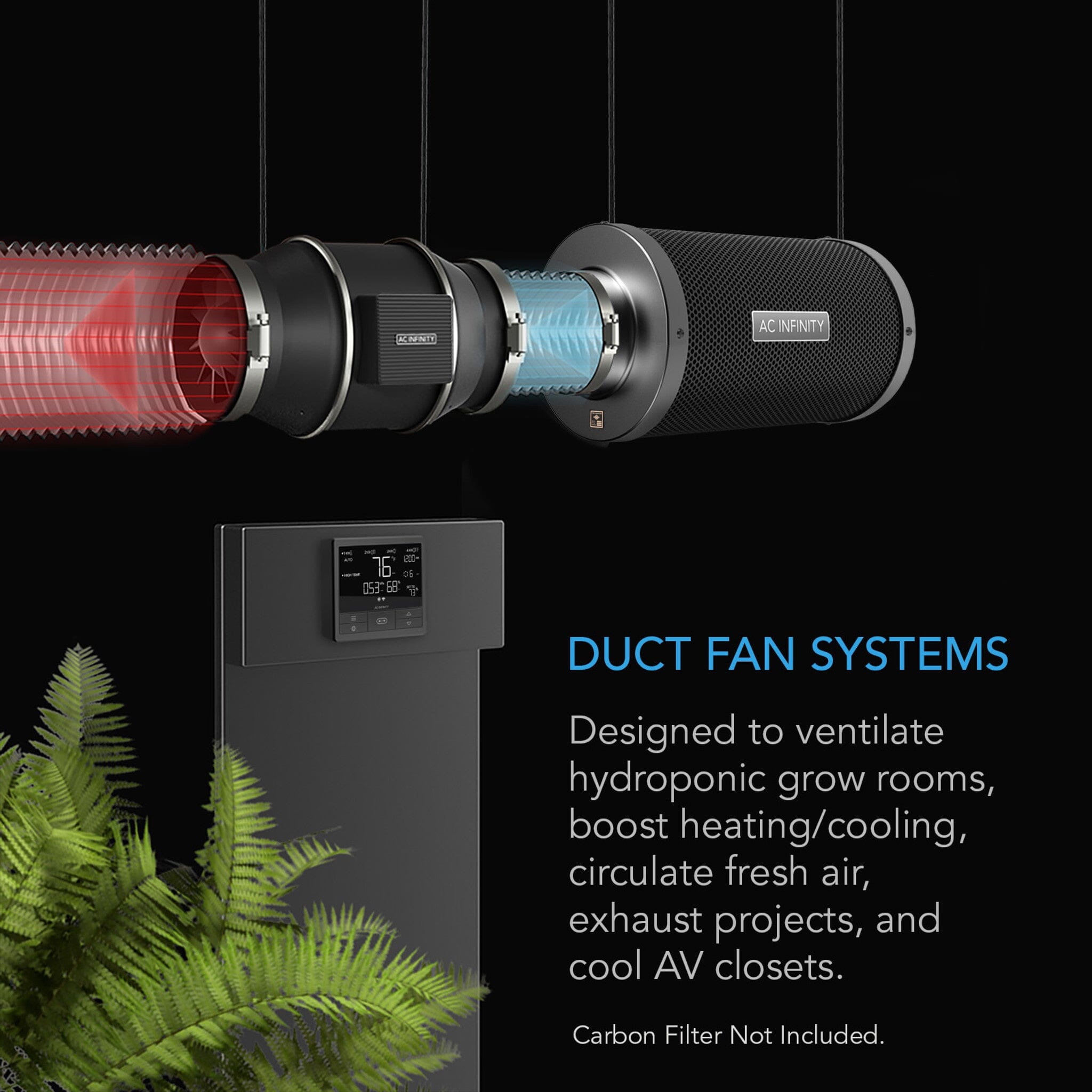
Air at speed inside thin foil ducting carries sound along the run and radiates it wherever the duct sits. Fixed by acoustic ducting — one metre straight off the outlet does most of the work, because that is where it is loudest. |
| The structure |
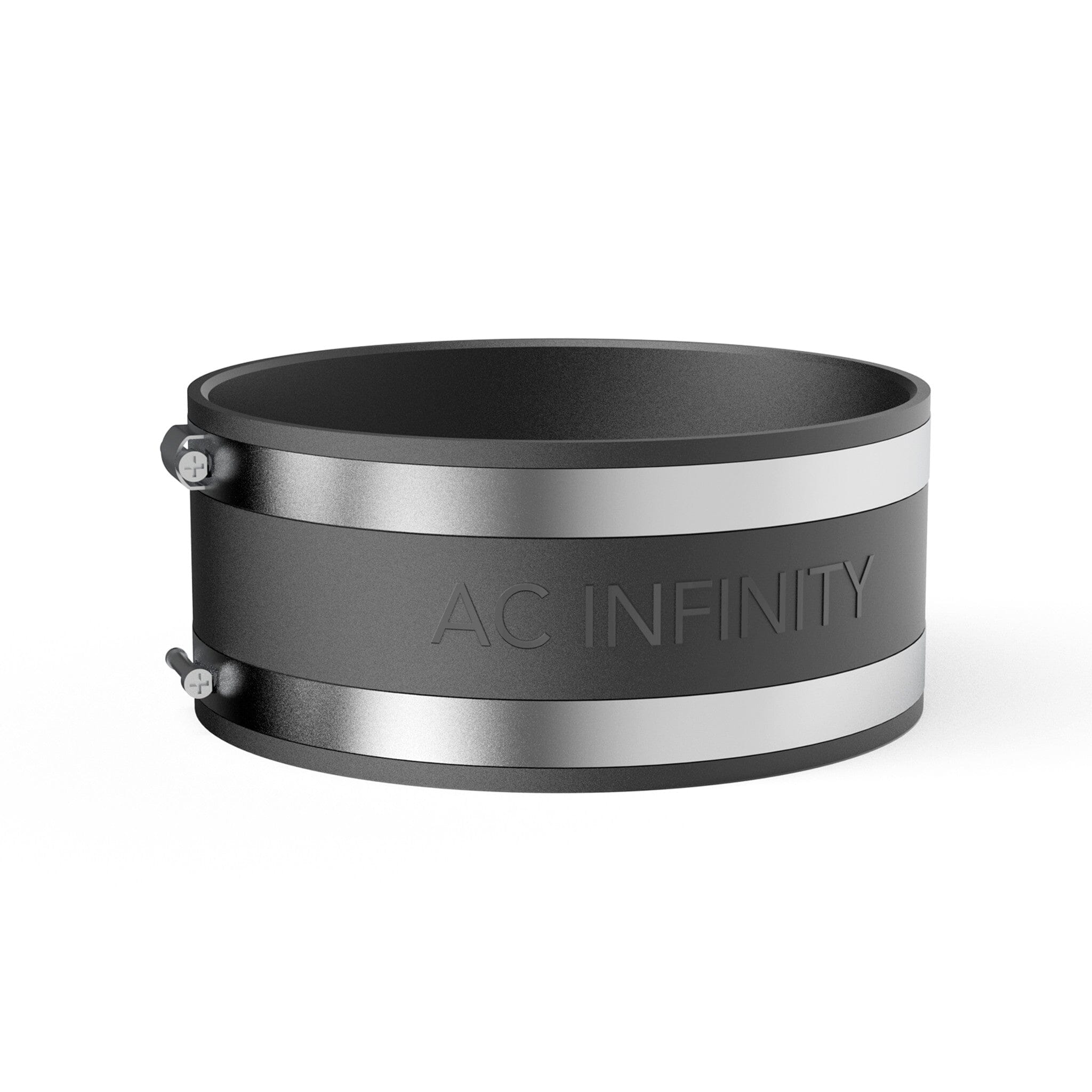
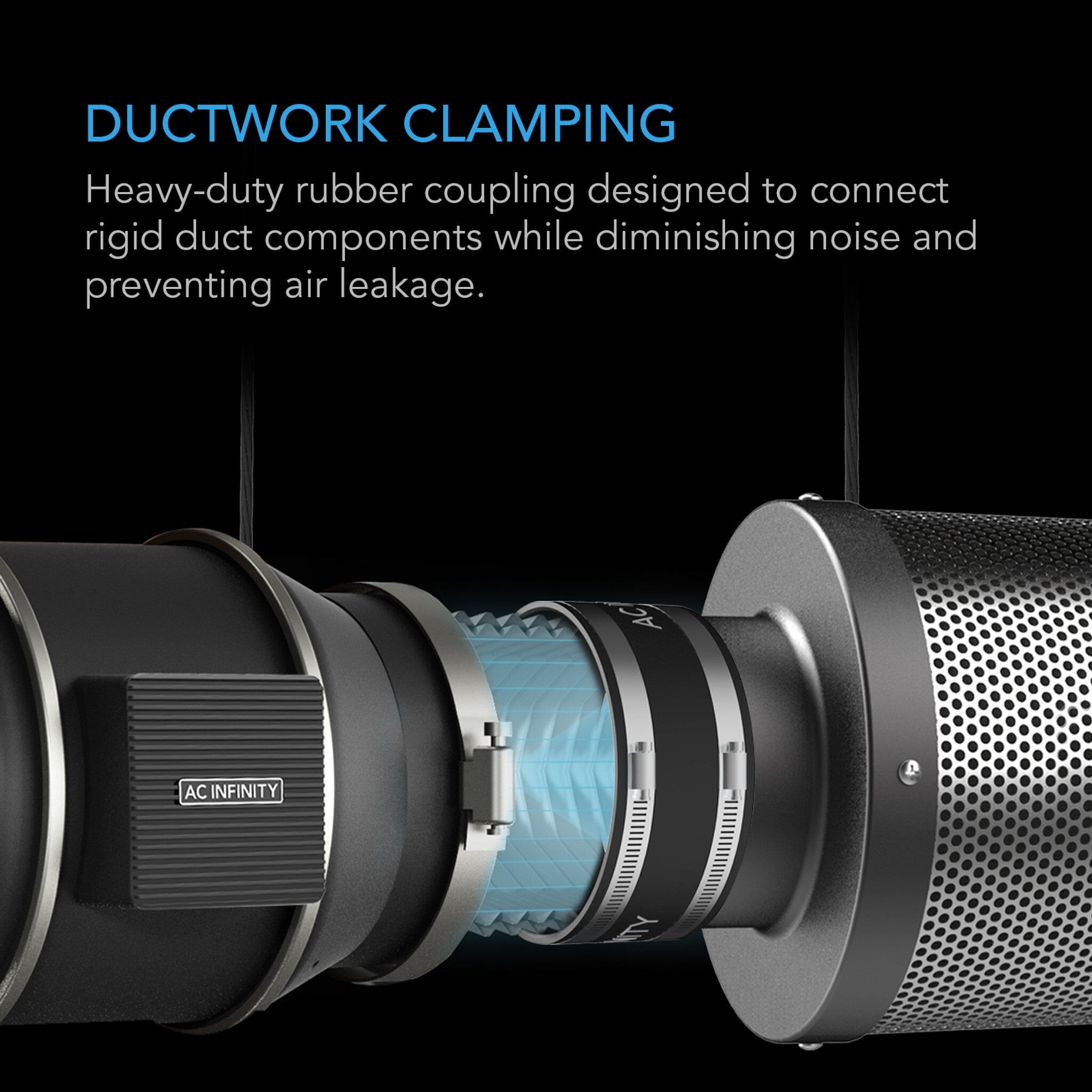
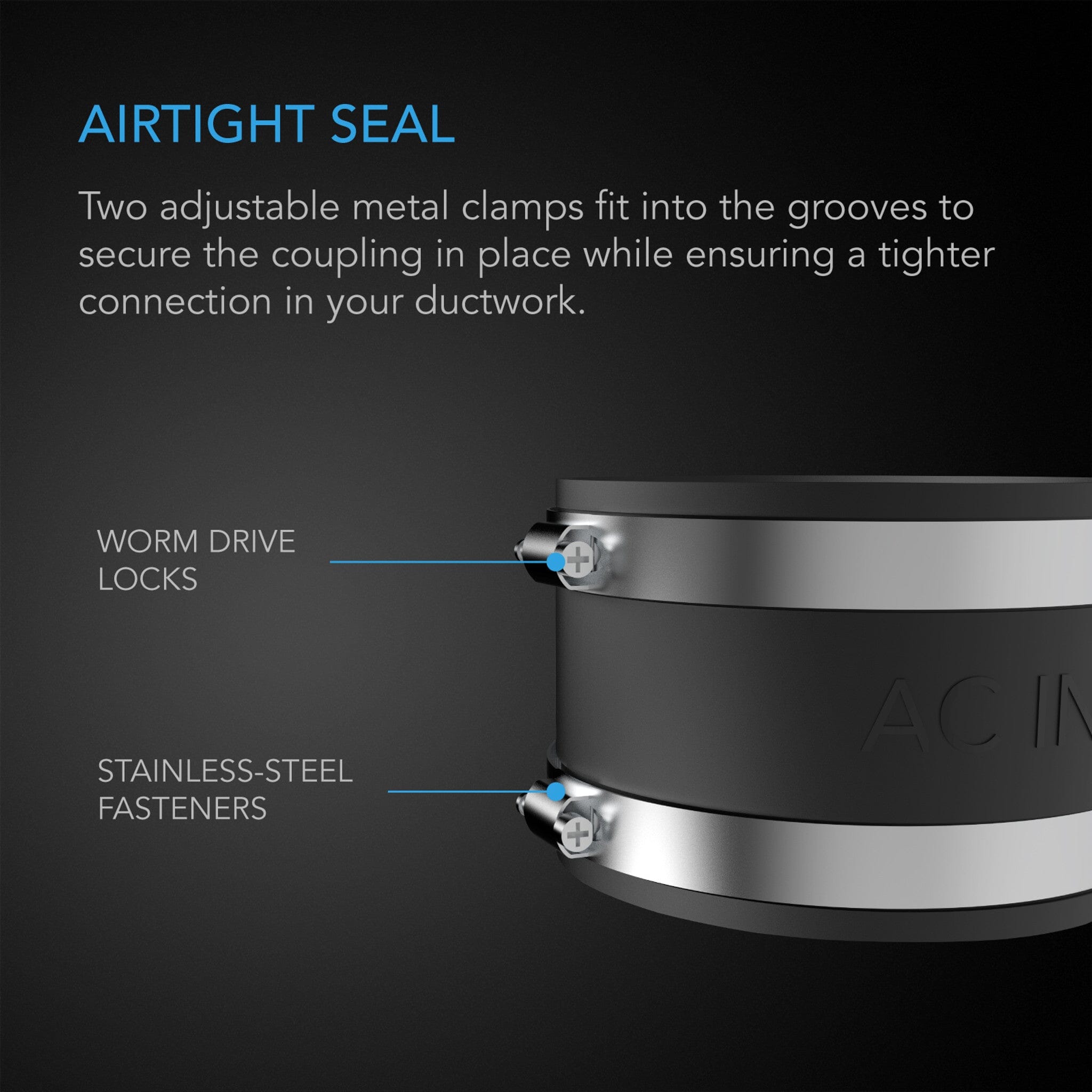
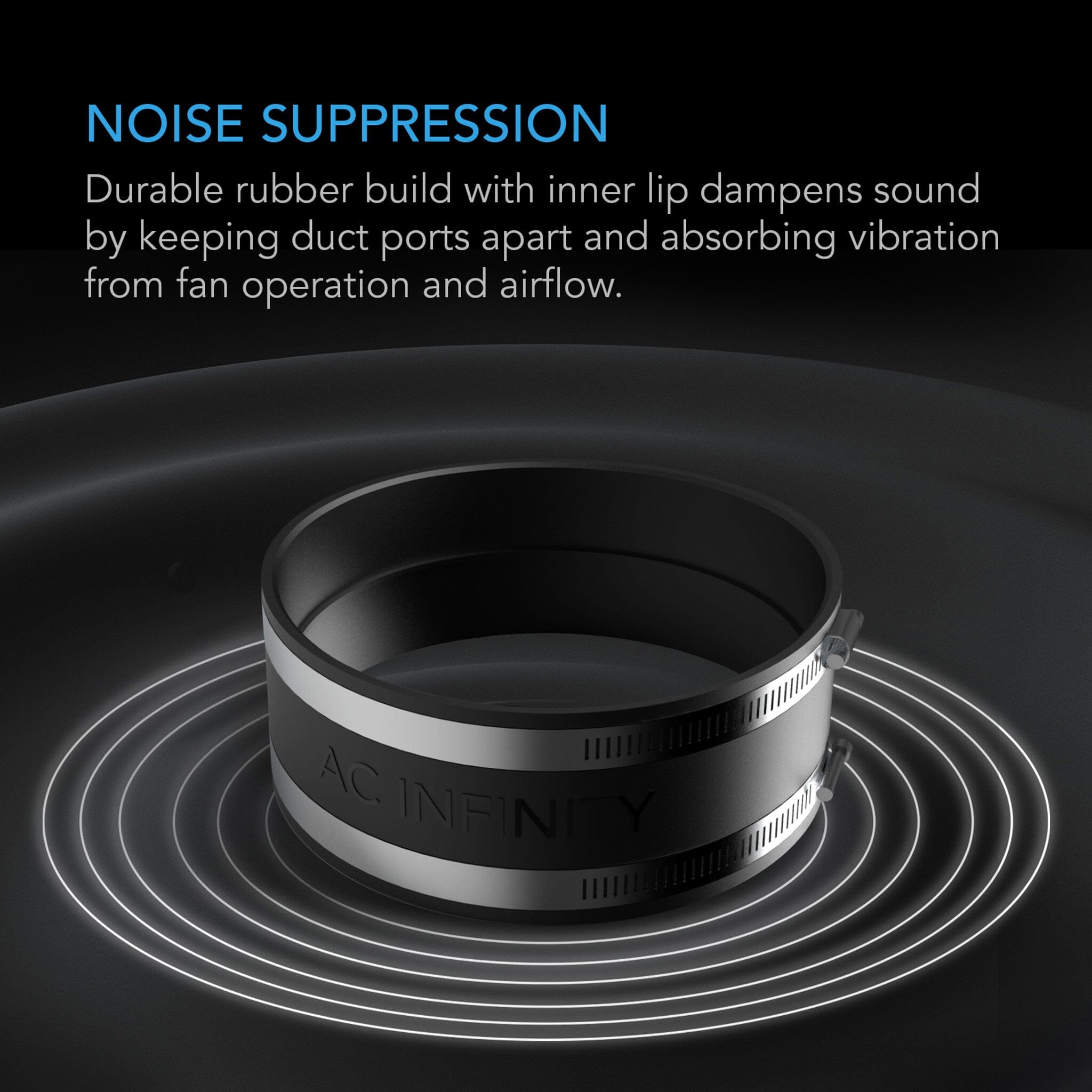
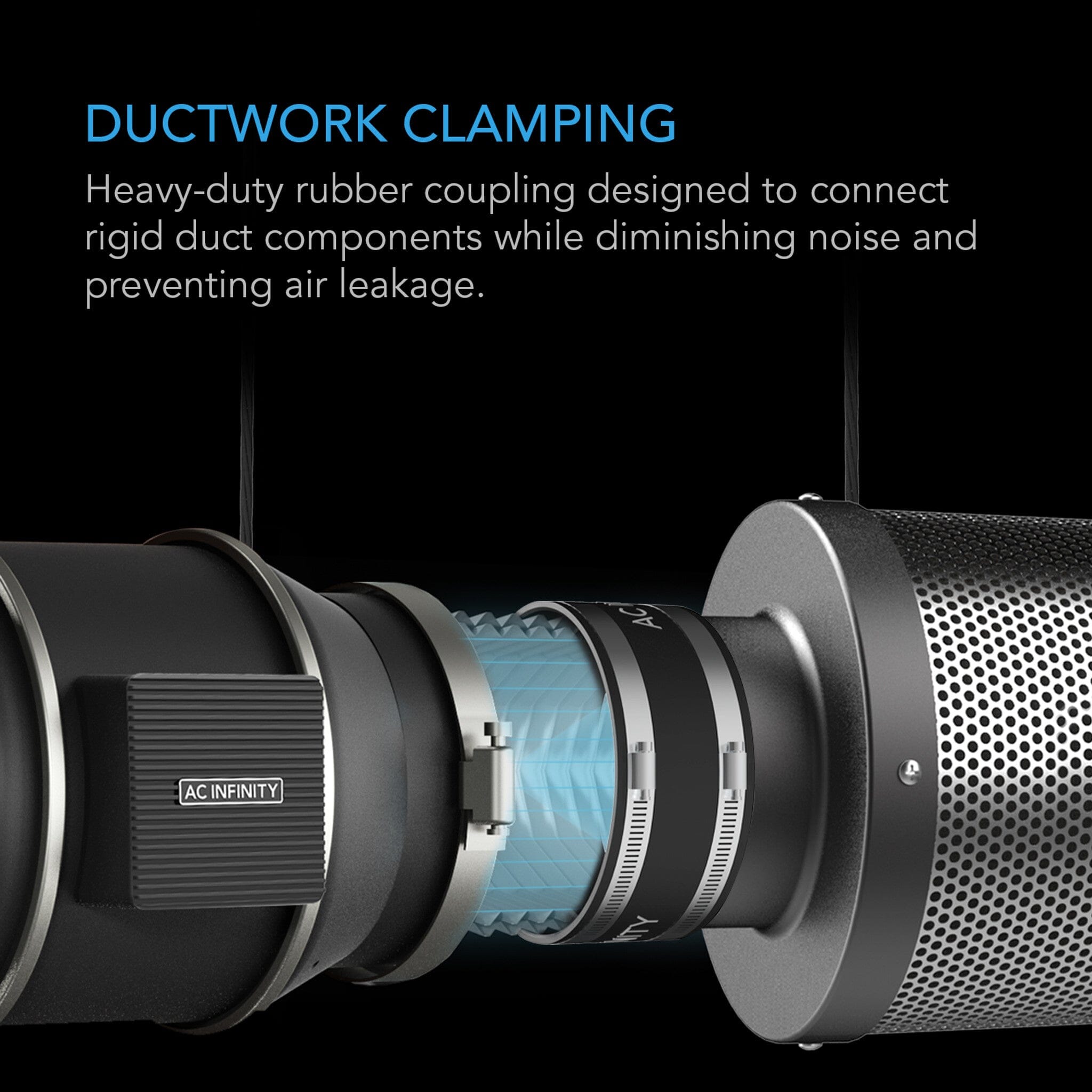
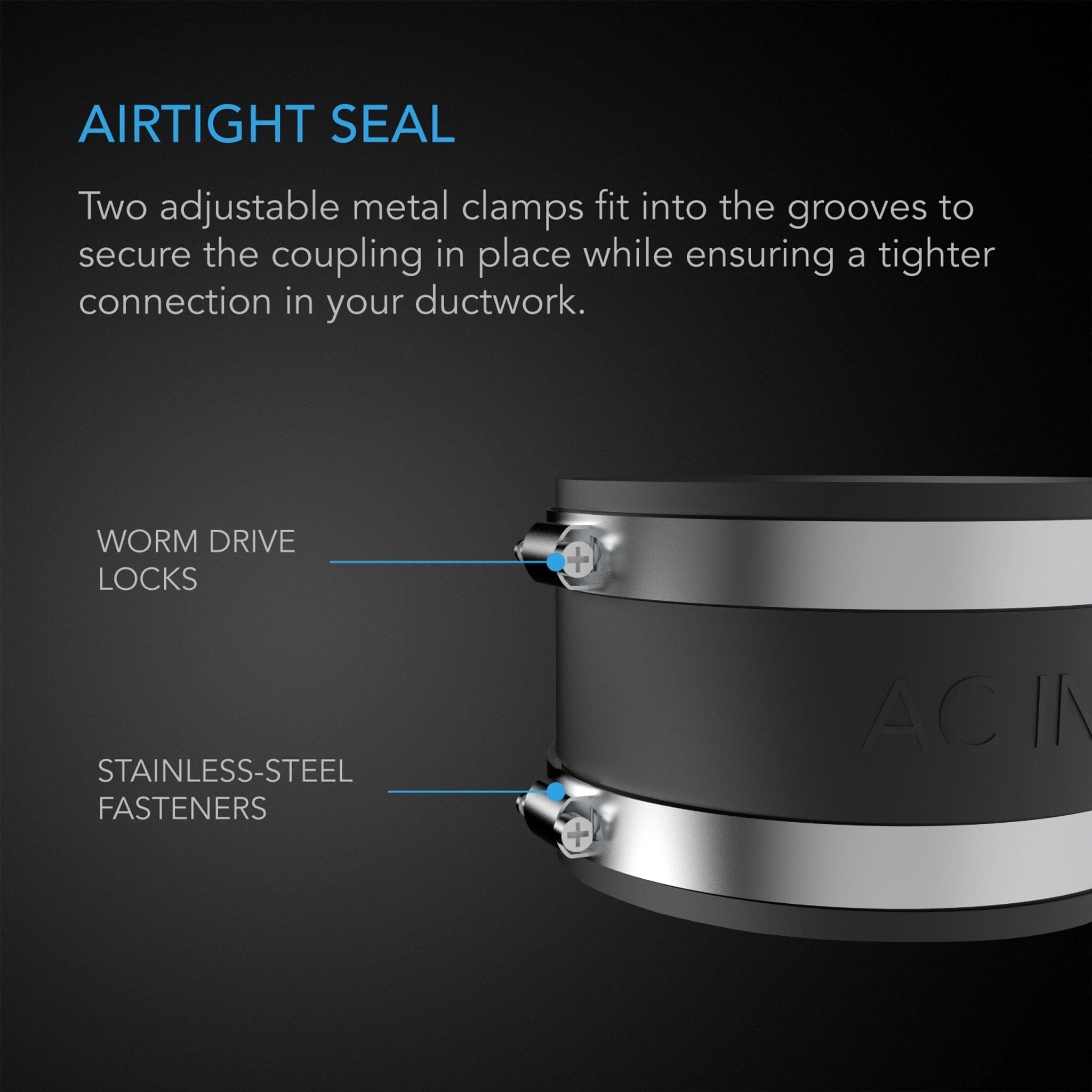
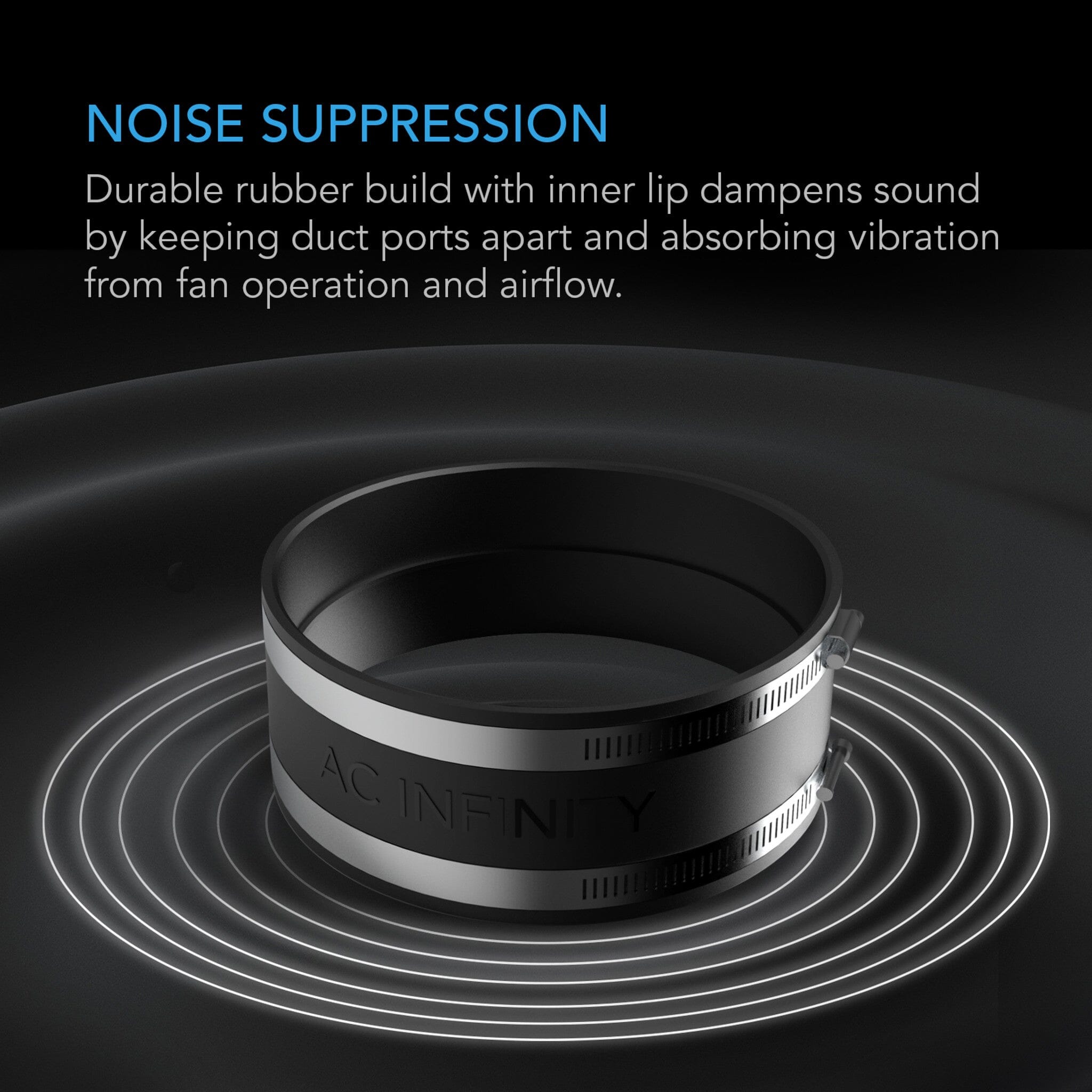
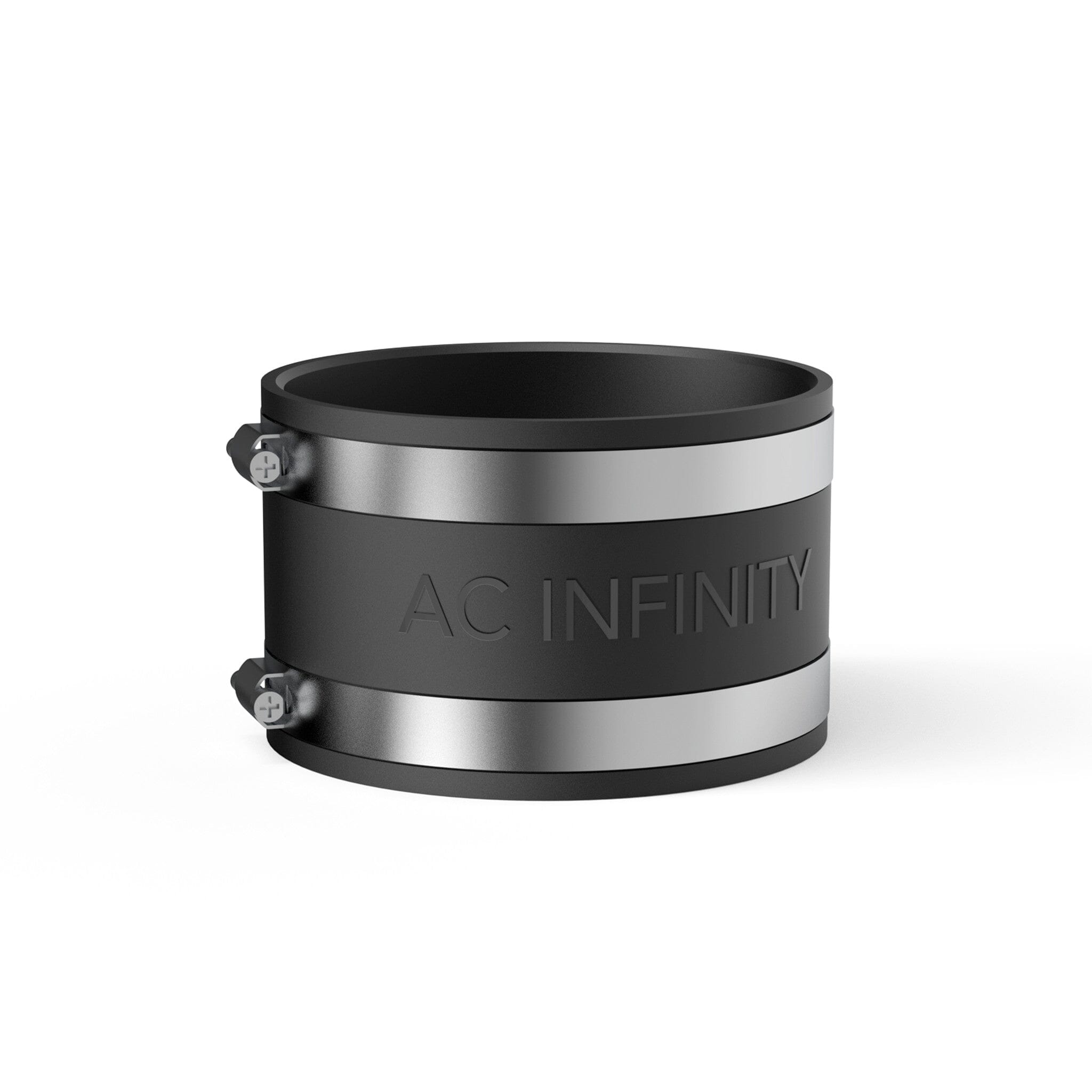
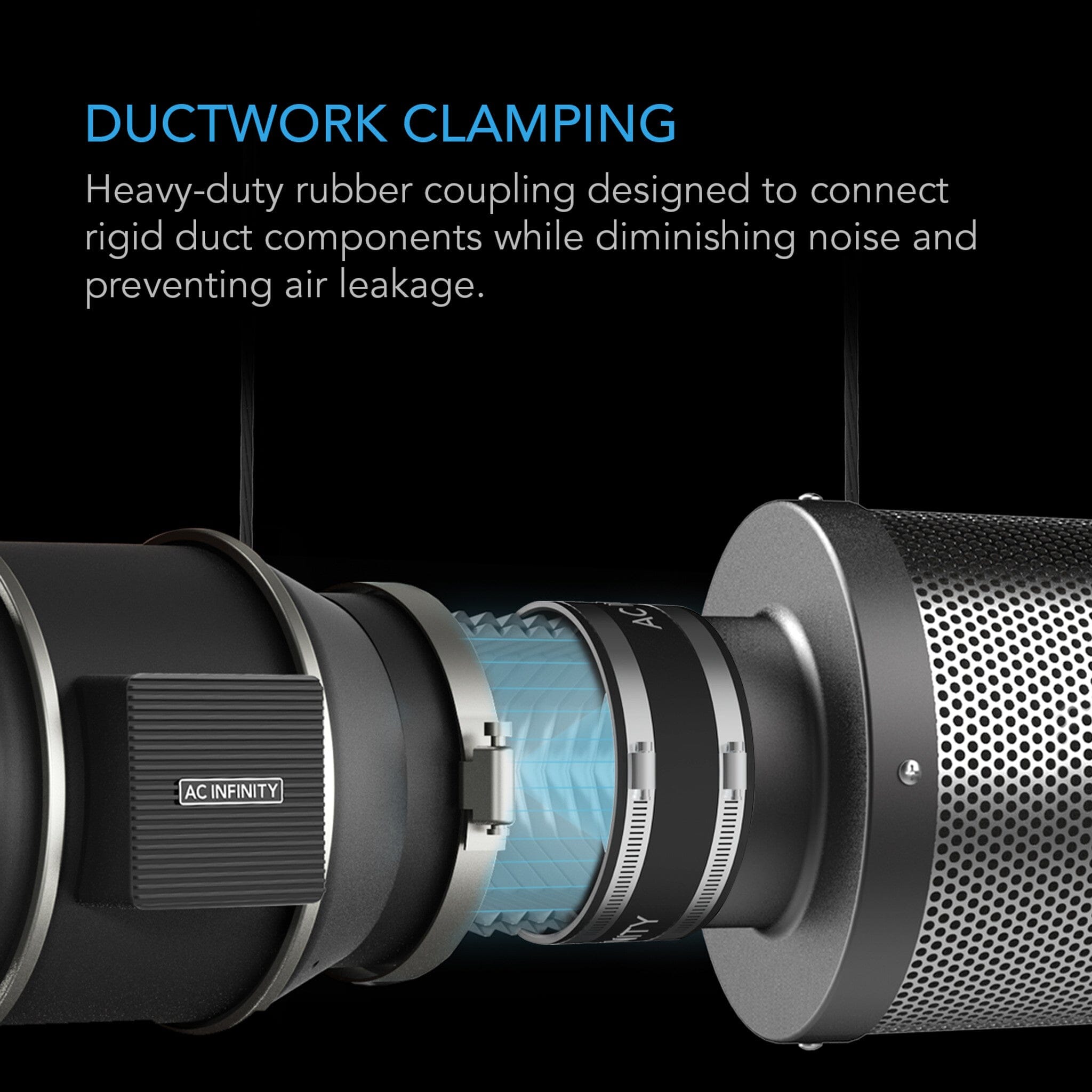
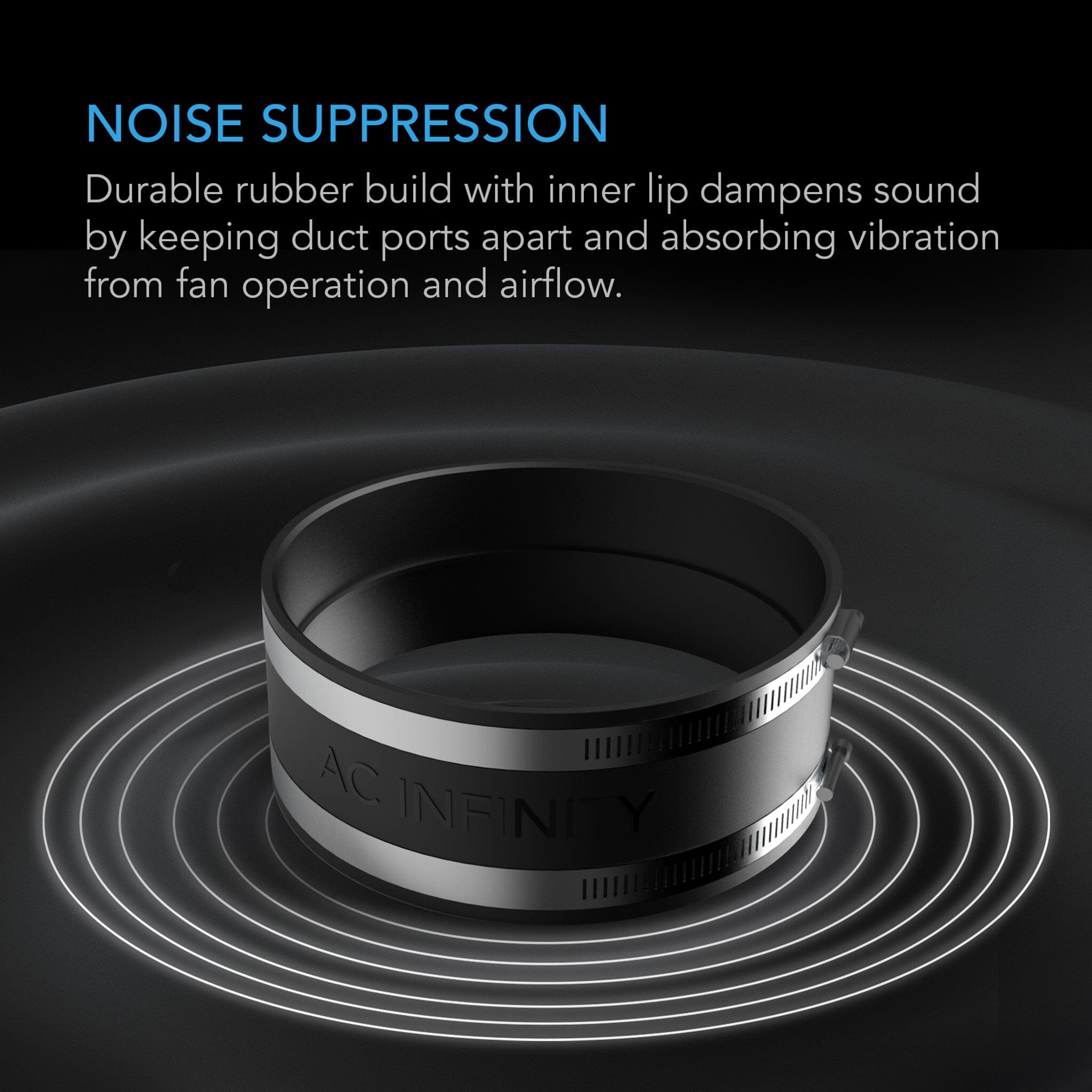
A fan bolted hard to a joist turns the floor above into a speaker. Hang it on the supplied straps, or use vibration-damping duct couplers, and the transfer largely stops. |
The VIND silenced fans take a different route to the same place: the acoustic chamber and the suspension are built into the fan rather than bought afterwards and bolted onto the duct. That is why a VIND 150 at $229.95 competes with a Cloudline PRO S6 at $269.95 plus a 150 mm silencer on top.
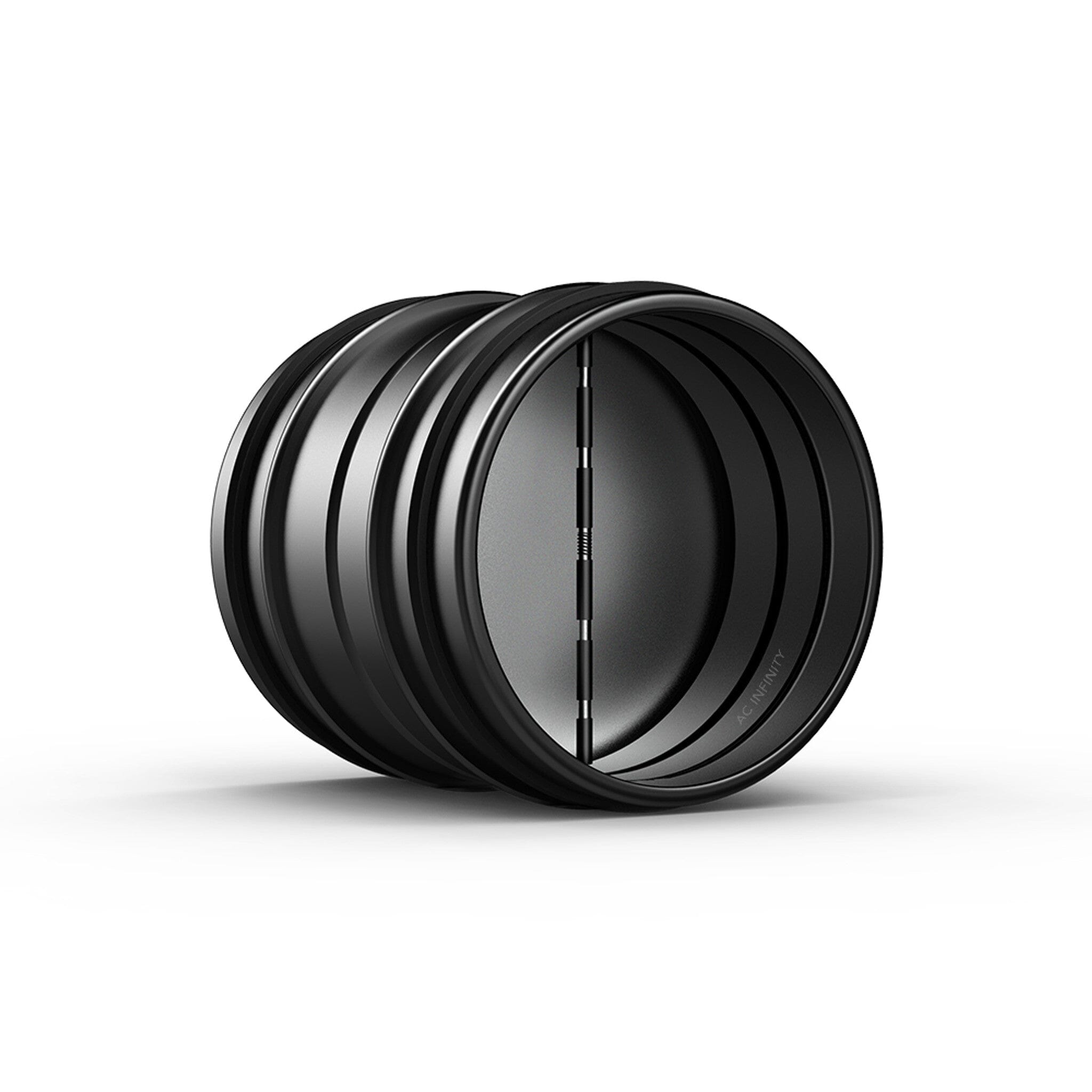
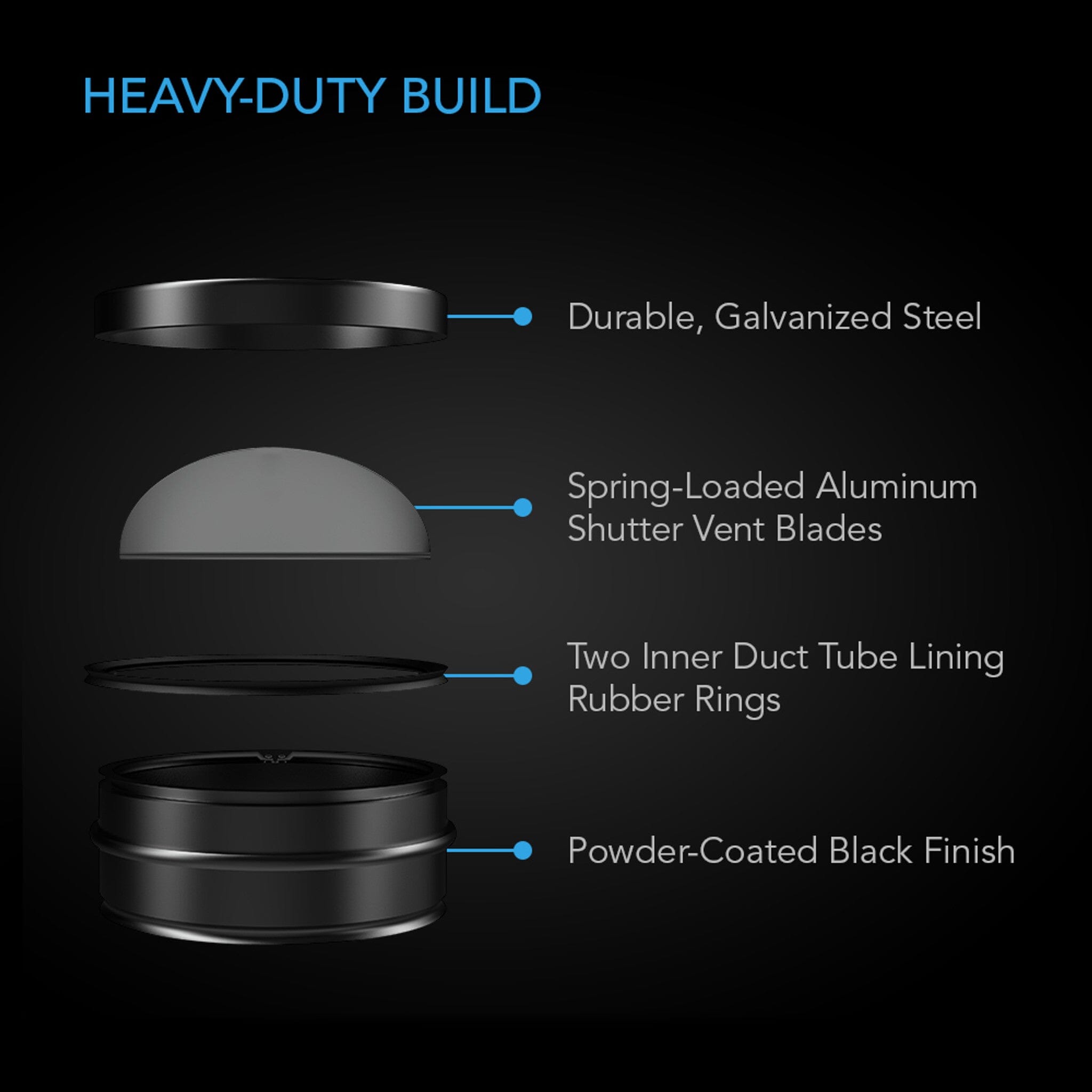
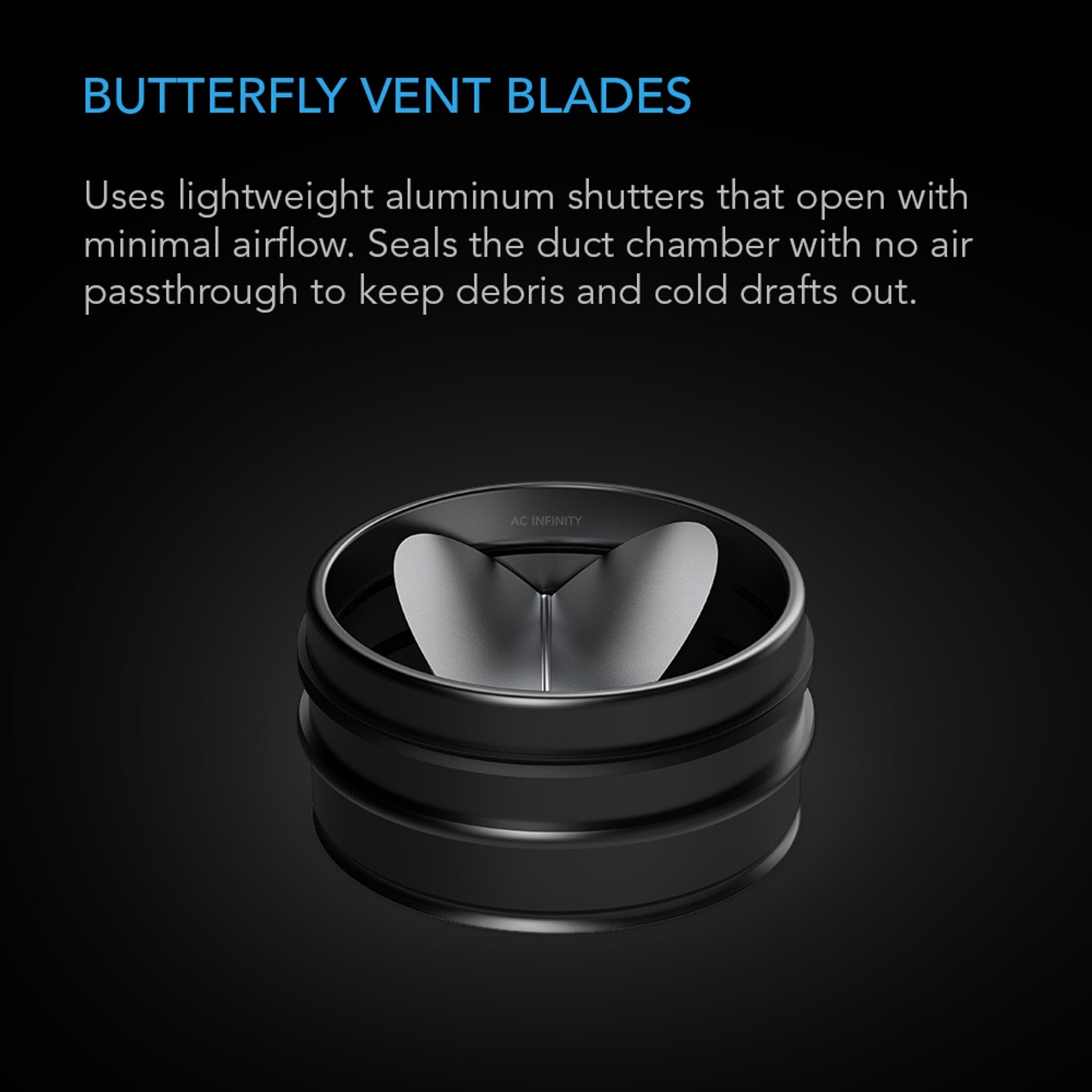
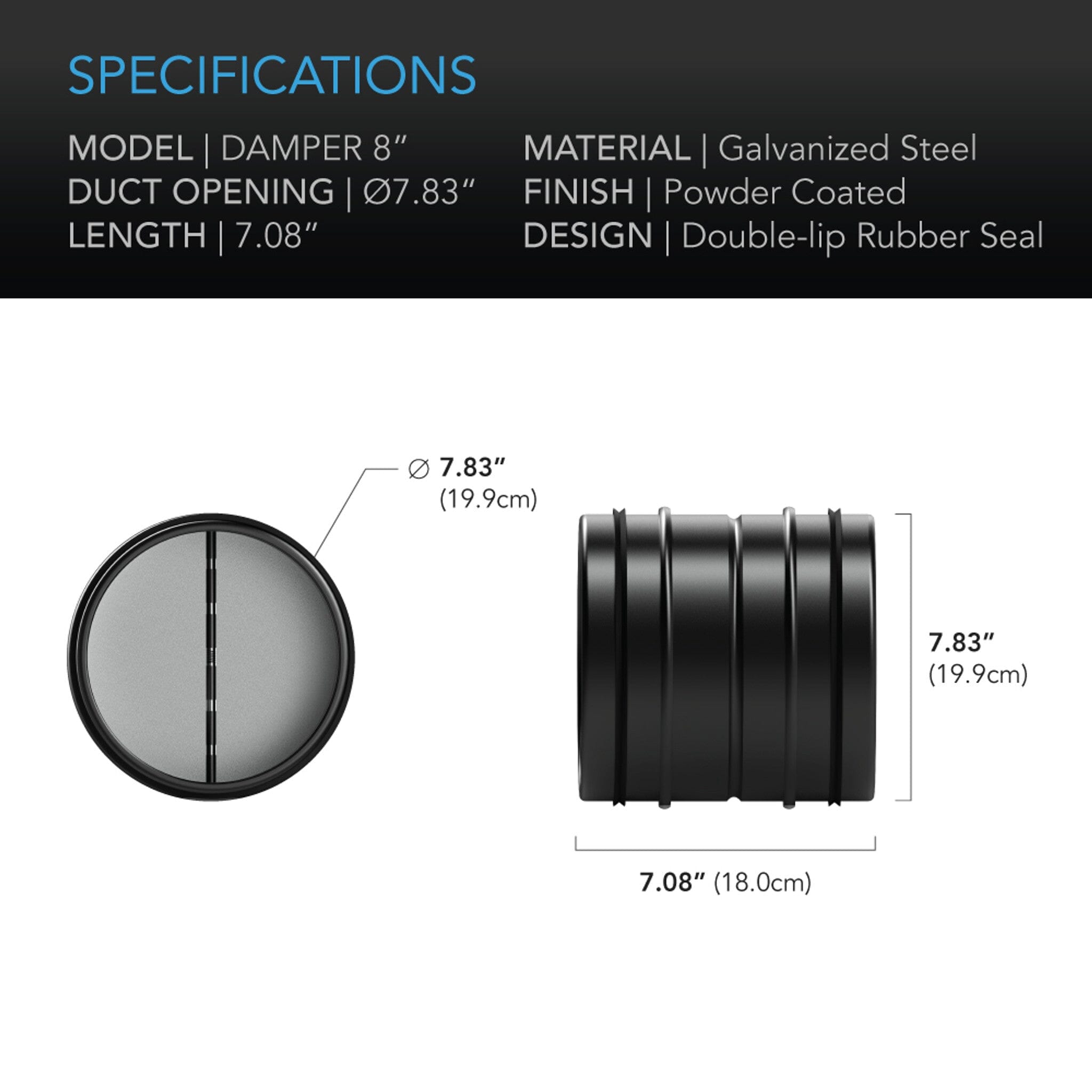
Fit a backdraft damper on the exhaust so wind cannot blow back down the duct when the fan is off, and screen every opening against vermin.
For builders, installers and handymen
A good share of what leaves here goes to trades — carpenters, handymen, pest and building inspectors and ventilation installers fitting these on client jobs. We do not install, so we are not competing with you for the work. What we do is hold the stock in Sydney, ship it Australia-wide, and handle the warranty locally rather than sending your client to an overseas seller.
- Repeat and volume pricing on application — get in touch with what you fit regularly.
- Sizing and layout support before you quote: send dimensions, clearance and which elevations can be vented.
- Kits ship complete, so one order covers fan, controller, ducting and clamps instead of four line items.
- Every fan ships with an Australian three-pin plug and lead. New fixed wiring, a new outlet or hard-wiring a unit remains licensed electrical work.
FAQ
What is subfloor ventilation, and do I need it?
It is mechanically moving air through the void under a suspended floor so damp, still air is replaced with drier outside air. You need it when passive vents are not keeping up — dead corners with no cross-flow, an elevation below ground or against a retaining wall, a sheltered site with little wind, or vents already maximised and humidity still high. If the vents are simply blocked, unblock them first; that fixes a lot of houses for nothing.
Is it called subfloor or underfloor ventilation?
Both, and sub-floor and crawl space ventilation as well. They describe the same job. “Crawl space” usually implies low clearance you can only crawl through; “subfloor” and “underfloor” are used for any suspended floor void. The equipment is the same either way, though low clearance often points to a wall-mounted AIRTITAN T8 rather than a ducted install you would have to crawl in to fit.
Will a subfloor fan fix rising damp?
No, and it is worth being clear before you order. A fan exchanges humid air for drier outside air, which lowers moisture enough that mould, musty smells and timber rot lose their hold. It does nothing about the source. Standing water, a blocked or badly graded drain, a leaking pipe, an air conditioner condensate line or a failed damp course are building problems and need fixing as building problems. If the subfloor is visibly wet rather than merely humid, deal with the water first.
Should the fan push air in or pull it out?
Exhaust. Pull air out of the dampest side and let fresh air draw in through existing vents on the opposite side. Exhausting puts the void under slight negative pressure, which stops damp subfloor air being pushed up through floor gaps into the house. It also relies on those intake vents being open and spread out, so check them before you buy — a fan with nowhere to draw makeup air from moves far less than its label suggests.
How many fans do I need?
Work from volume, not from house size. Floor area times average ground-to-bearer clearance gives the volume; multiply by your target air changes per hour; divide by roughly 0.6 to allow for duct losses. Most average homes land on one 200 mm fan or two 150 mm fans. Two smaller fans at opposite ends usually beat one larger fan in the middle, because cross-flow matters more than total airflow. The guide has the worked example.
Will I hear it inside the house?
Not if it is installed properly. The three things that make a subfloor fan audible upstairs are running it at full speed, bolting it rigidly to a joist so vibration transfers into the floor, and bare foil ducting carrying noise along the run. Run a larger fan slower, hang it on the supplied straps, and put acoustic ducting on the first metre off the outlet. A VIND silenced fan handles the first part inside the fan itself.
Can it run continuously?
Yes, and that is the intent — EC motors are built for long runtimes and draw far less power than an equivalent AC fan doing the same work. A 38 W fan running eight hours a day is on the order of $10 a quarter at typical Australian retail rates. That said, a humidity controller is better than continuous running: it starts the fan when the subfloor crosses your threshold and stops it when it drops back, so the fan is not pulling damper air in on a humid night than the air already under there.
Do I need an electrician?
Not necessarily. Every fan here ships with an Australian three-pin plug and a lead, so if there is a suitable outlet within reach the job is carpentry — cutting the opening, running the duct, weathering the outside. Running a new circuit or outlet, or hard-wiring a unit, is licensed electrical work in Australia and is not a DIY job.
Do you install these?
No. We supply the equipment and ship Australia-wide from Sydney, free over $35. The installs are within reach of a competent DIYer or any general handyman or carpenter, and we are happy to talk through sizing and layout with you or with your tradesperson before you buy.
Is this genuine stock with an Australian warranty?
Yes. Quick Bloom Lights is the official Australian importer and distributor for AC Infinity, and VIND is our own brand. Stock is held in Sydney, orders ship domestically, and warranty is handled here.
General guidance, not a site assessment. This page is written to help you specify equipment sensibly. It is not a structural, electrical or building assessment of your property. Persistent damp can indicate drainage, plumbing or structural defects that need a qualified inspection, and any fixed electrical work must be carried out by a licensed electrician.